Best Cleaning Schedule for Offices That Works
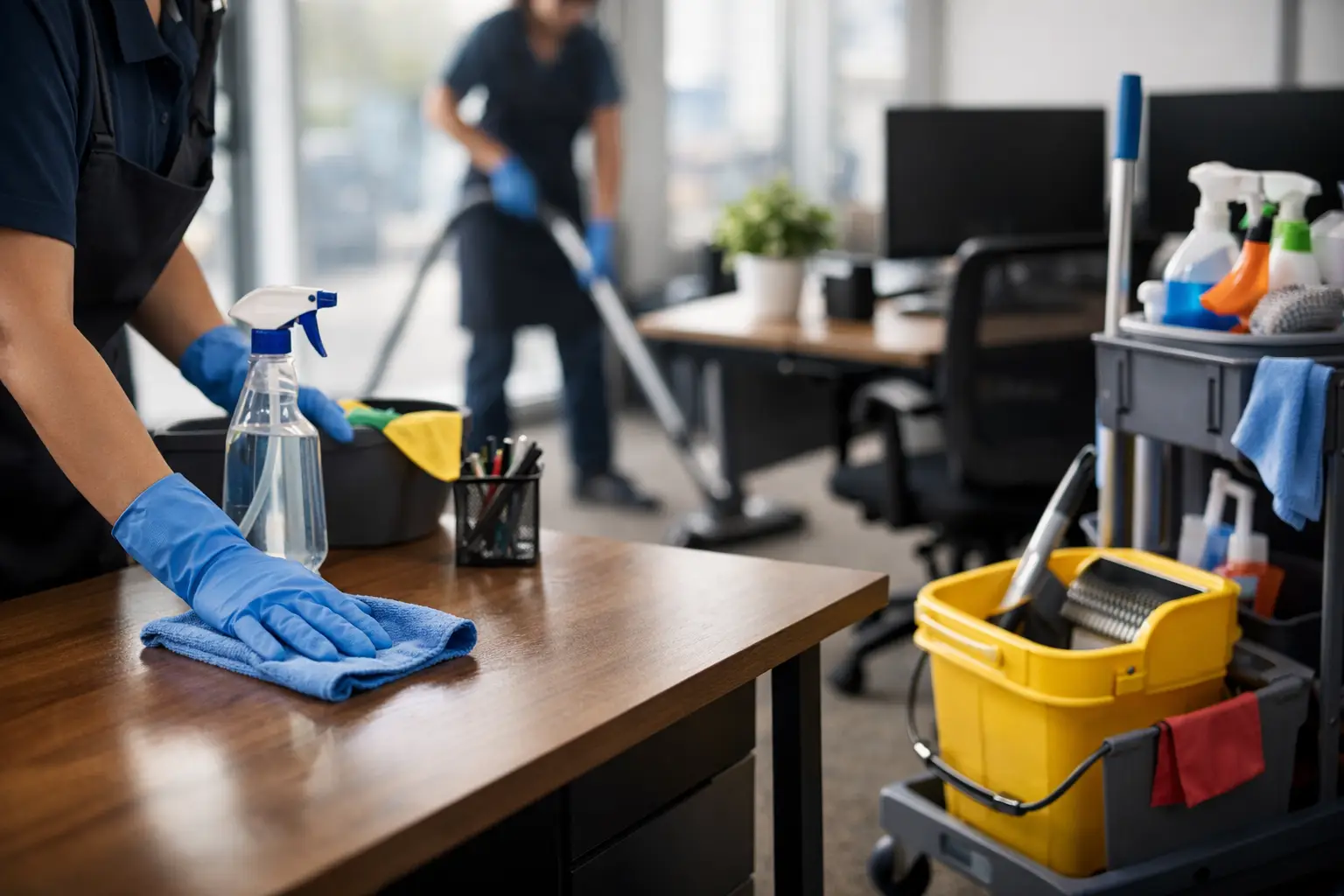
A missed restroom check at 2:00 p.m. can affect an entire office more than a spotless lobby at 7:00 a.m. Employees notice it, visitors notice it, and office managers are left fielding complaints that should have been prevented. The best cleaning schedule for offices is not simply a checklist of tasks. It is a site-specific plan that matches traffic, building use, business hours, and the details people encounter every day.
For offices in Newark and throughout northern New Jersey, cleaning needs can change quickly. A compact administrative office may need nightly service and periodic floor care. A busy multi-tenant property may need daytime attention in restrooms, entrances, and shared areas as well. The right frequency protects first impressions without paying for tasks that do not need to happen every visit.
Start With How the Office Is Actually Used
A cleaning schedule should begin with a walkthrough, not a generic list. Square footage matters, but it does not tell the full story. An office with 25 employees, frequent client meetings, a breakroom, and public restrooms can require more attention than a larger space with limited daily occupancy.
Look at who uses the facility, when they use it, and where issues appear first. Reception areas, restrooms, breakrooms, conference rooms, elevators, and entry floors typically carry the highest visible impact. Cleaning frequency should rise with foot traffic, food service, visitor volume, and the number of shared touchpoints.
It also depends on the work performed in the facility. Medical and dental offices, daycares, gyms, and auto dealerships require schedules built around their particular operations. A corporate office may focus heavily on workstations, glass, and presentation areas, while a gym needs ongoing locker room and equipment-area attention. One schedule cannot serve every commercial space well.
The Best Cleaning Schedule for Offices Has Three Layers
The most effective office plans separate routine cleaning into daily, weekly, and periodic work. This prevents two common failures: trying to complete too much during every visit, or allowing lower-visibility tasks to be forgotten for months.
Daily tasks protect the employee and visitor experience
Daily service should focus on the places people touch, see, and use most often. In a typical office, this includes removing trash and replacing liners as needed, cleaning and restocking restrooms, wiping breakroom counters, cleaning sinks, vacuuming or spot-cleaning entry areas, and addressing obvious spills or debris.
Reception and lobby areas deserve particular attention. Glass entry doors, floors, seating areas, and reception counters shape a visitor's first impression before anyone says a word. If the office receives clients, vendors, applicants, or tenants throughout the day, these tasks may require daytime porter support rather than waiting until evening.
Daily schedules should also account for shared surfaces based on the facility's needs. That may include conference tables, door handles, elevator buttons, appliance handles, and other high-contact points. The goal is not to wipe every surface in the building on every visit. It is to consistently address the surfaces that see regular use.
Weekly tasks prevent gradual decline
Weekly work handles details that are easy to overlook when a team is focused on nightly upkeep. Dusting accessible horizontal surfaces, wiping baseboards where needed, cleaning interior glass, vacuuming upholstered seating, and wiping cabinet fronts can keep an office from looking neglected over time.
A weekly schedule is also a good place for more complete floor attention. Hard floors may need machine scrubbing or detailed edge work depending on traffic and finish type. Carpets may need focused vacuuming in corners, under accessible furniture, and along wall edges where dust collects.
For offices with kitchens or substantial breakrooms, weekly cleaning should include exterior appliance cleaning and attention to areas around trash and recycling stations. These areas can create odors and visual concerns well before a full deep-cleaning is scheduled.
Monthly and periodic tasks preserve the facility
Some tasks should be scheduled monthly, quarterly, semiannually, or as conditions require. These are the services that protect building finishes and prevent small problems from becoming visible complaints.
Common periodic items include detailed high dusting, vent and return cleaning, carpet extraction, floor stripping and waxing, interior window cleaning, and detailed cleaning behind accessible furniture or equipment. The appropriate frequency depends on the building's use, flooring type, weather exposure, and cleaning history.
Winter weather is a practical example. In northern New Jersey, salt, moisture, and grit can quickly damage entry flooring and make a clean lobby look dull. During those months, entrance mat service, frequent spot cleaning, and floor maintenance may need to increase. A schedule that works in July may not be enough in January.
Match Cleaning Frequency to Each Zone
Instead of assigning the same frequency to every room, divide the office into cleaning zones. This makes the scope clearer for the cleaning team and easier for the facility manager to evaluate.
High-traffic zones include entrances, lobbies, restrooms, breakrooms, elevators, and main corridors. These usually need attention at every visit, with some tasks completed more than once a day in heavily used facilities. Medium-traffic zones may include open offices, conference rooms, and private offices. Lower-traffic areas, such as storage rooms and certain back offices, may need routine service less often but still require scheduled detail cleaning.
This approach helps control costs without compromising presentation. For example, vacuuming a low-use executive office daily may not provide meaningful value, while cleaning a busy restroom only once each evening can create problems before the workday ends.
Build the Schedule Around Your Operating Hours
The best schedule must work around the people using the space. After-hours cleaning is often the right choice for offices that need minimal disruption. It allows cleaners to vacuum, service restrooms, remove trash, and complete floor work without interrupting calls, meetings, or client visits.
Daytime service can be valuable when the building remains active for long hours or has a high volume of visitors. A daytime attendant can restock restrooms, respond to spills, maintain entrances during poor weather, and keep shared areas presentable between evening cleaning visits.
A hybrid model is often the best fit. The evening team completes the full routine scope, while limited daytime coverage handles the issues that cannot wait. This arrangement is especially useful in medical offices, larger corporate environments, and multi-tenant properties.
Document the Scope So Nothing Is Assumed
A cleaning schedule only works when everyone understands what is included, how often it happens, and how concerns are handled. Vague instructions such as "clean as needed" leave too much room for interpretation. A documented scope of work creates accountability for both the client and the cleaning provider.
The scope should identify each area, the assigned tasks, service frequency, and any special instructions. It should also clarify what happens when conditions change, such as a special event, a spill, seasonal weather, or an increase in occupancy. Clear communication keeps a temporary need from becoming a recurring missed detail.
Quality inspections are equally important. An inspection is not about finding fault after a complaint. It is a way to confirm that the schedule still reflects the facility's real needs. If trash is consistently full before the next service, if restroom supplies run short, or if lobby floors lose their appearance too quickly, the plan should be adjusted.
Watch for Signs Your Current Schedule Is Too Light
Complaints are not the only indicator that an office needs a different plan. Look for patterns: restroom supplies running out during the day, fingerprints building up on entry glass, carpet traffic lanes becoming visible, lingering breakroom odors, or floors that look worn shortly after cleaning.
Another warning sign is when the office manager becomes the cleaning coordinator. If you have to repeatedly remind a vendor about trash, restocking, floor edges, or a recurring trouble spot, the issue is likely the process rather than one isolated missed task. A well-managed program includes proactive follow-up and a clear path for resolving concerns.
Make Room for Seasonal and Business Changes
A schedule should be reviewed whenever the office changes. More employees, a return-to-office policy, new tenants, expanded hours, construction work, or an upcoming client event can all affect cleaning requirements. Waiting until the building looks neglected is rarely the most efficient response.
At CEECEE Commercial Cleaning, The CEECEE Standard begins with understanding how a facility operates and documenting a plan that can be measured. A useful schedule is not static paperwork. It is a working agreement supported by communication, inspections, and adjustments when the site needs them.
If your office cleaning plan feels unclear or requires constant follow-up, a walkthrough can identify what is being missed and where frequency should change. Request a free walkthrough and customized proposal built around your building, your hours, and the standard your visitors and employees should experience every day.
Call (917) 837-6499 or email info@ceeceecleaning.com