Cleaning Scope Template for Better Facility Care
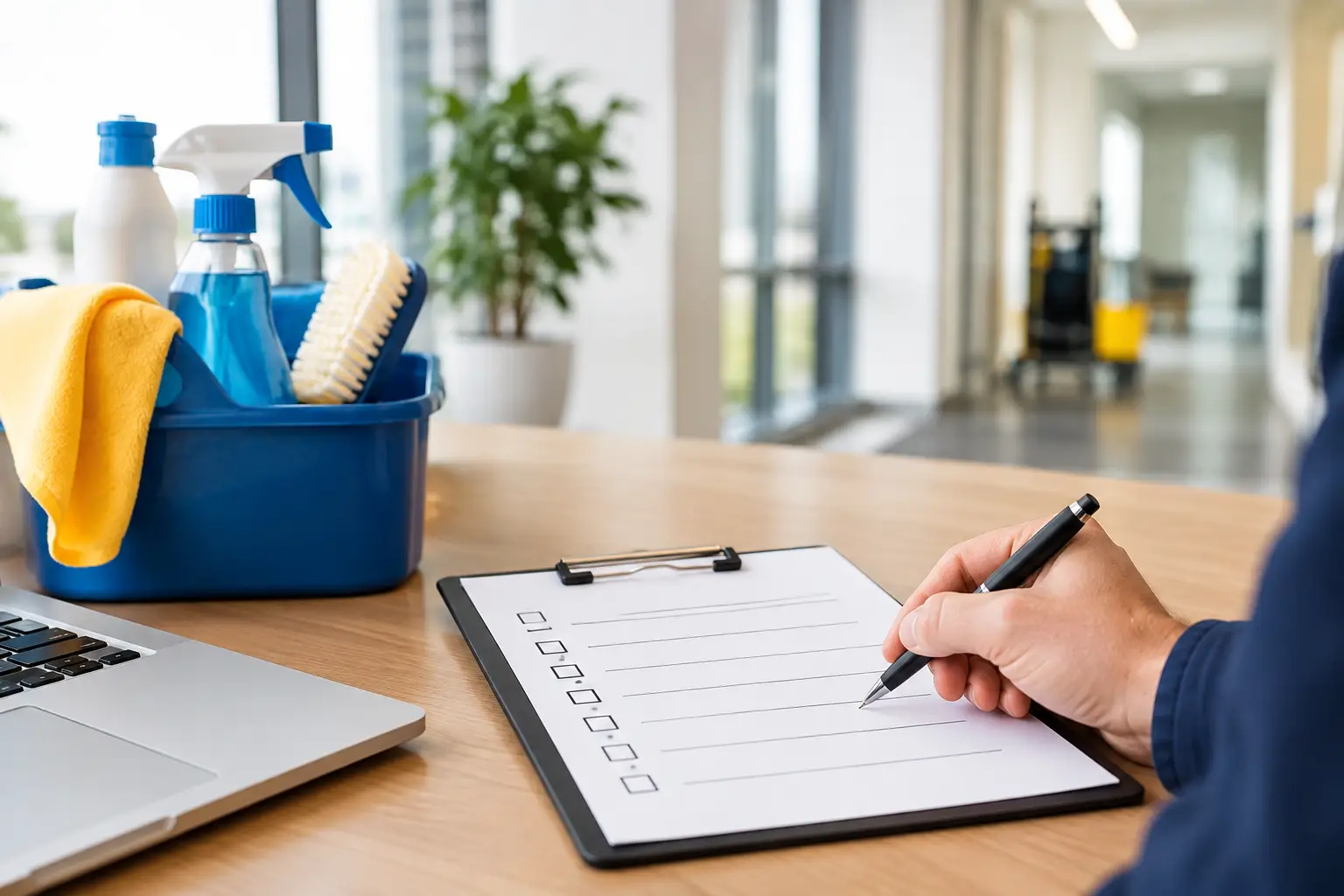
A lobby can look acceptable at 8:00 a.m. and still tell a different story by noon. Overflowing restroom bins, fingerprints on entry glass, missed breakroom spills, and a floor that was never properly detailed all create the same problem: your cleaning provider is working from assumptions instead of a clear plan. A cleaning scope template turns expectations into documented tasks your team and cleaning partner can follow, inspect, and discuss.
For an office manager or facility manager, that document is more than an itemized checklist. It is the operating agreement for how a workplace should look, feel, and function between visits. When it is specific, it reduces missed details, prevents arguments over what was included, and gives everyone a practical way to address concerns before they become recurring complaints.
What a Cleaning Scope Template Should Do
A useful scope template defines four things: what gets cleaned, how it gets cleaned, how often it happens, and who is responsible for confirming the work. If any of those pieces are vague, consistency is difficult to maintain.
For example, “clean restrooms” leaves too much open to interpretation. Does that include disinfecting touchpoints, refilling soap, polishing mirrors, mopping floors, removing trash, cleaning partitions, and checking odors? A documented scope answers those questions before service begins.
It also separates routine work from periodic work. Daily trash removal and restroom servicing are not the same as quarterly carpet extraction or scheduled floor refinishing. When both are listed in one place with clear frequencies, managers can see what should happen during each visit and what should be planned ahead.
A good template should be site-specific. A dental practice in Newark has different priorities than a multi-tenant office in Montclair or an auto dealership showroom in Paramus. The format can be consistent, but the actual tasks must reflect the building’s traffic, layout, operating hours, surfaces, and risk areas.
Core Sections of a Cleaning Scope Template
Start with basic facility information. Include the location, primary contacts, service days and times, square footage or serviceable areas, access instructions, alarm procedures, and any restrictions on cleaning during business hours. These details may seem administrative, but missed access instructions can turn into missed service.
Next, divide the scope by area. This makes it easier for cleaners to work through the building and for managers to inspect it afterward. Common sections include entrance and lobby areas, offices, conference rooms, restrooms, breakrooms, corridors, stairs, elevators, storage areas, and specialized spaces.
Within each area, document the task, frequency, and standard expected. A simple table often works well:
| Area | Task | Frequency | Standard | | --- | --- | --- | --- | | Lobby | Clean entry glass and door handles | Each service visit | Glass is free of fingerprints and visible streaks | | Restrooms | Clean and disinfect fixtures and touchpoints | Each service visit | Supplies stocked, floors clean, no visible debris or odors | | Breakroom | Wipe counters, clean sinks, remove trash | Each service visit | Surfaces are free of crumbs, spills, and food residue | | Conference rooms | Vacuum, dust surfaces, reset chairs | Each service visit | Room is presentable for the next meeting |
The standard column is especially valuable. It describes the finished condition, not merely the motion of cleaning. “Vacuum carpet” is a task. “Carpet is free of visible debris, with edges addressed” sets an inspectable result.
Include Frequencies That Match Real Use
Not every task needs to happen every night. In fact, adding unnecessary work can make a scope harder to manage and inflate the service plan without improving the facility. The right frequency depends on occupancy, visitor traffic, business hours, and the function of each space.
A busy medical waiting room may need touchpoint disinfection and floor attention every service visit. A private executive office may only need detailed dusting weekly. A gym locker room has a different hygiene requirement than a church sanctuary used primarily on weekends.
Use clear frequency terms such as each service visit, daily, weekly, monthly, quarterly, or as needed following an inspection. Avoid “regularly” or “when necessary” unless you also explain who determines the need and how it is documented.
Document Supplies, Equipment, and Special Requirements
A scope should identify whether the provider supplies consumables such as hand soap, paper towels, toilet tissue, liners, and feminine hygiene products. If the facility supplies them, note where they are stored and who places orders. Supply confusion is one of the most avoidable causes of an understocked restroom.
Special requirements belong in writing as well. That may include approved disinfectants for a healthcare setting, fragrance restrictions, color-coded microfiber procedures, floor finish specifications, security protocols, or instructions for handling confidential materials. The goal is not to create paperwork for its own sake. It is to make expectations repeatable when staff changes or a concern needs follow-up.
Build Accountability Into the Scope
A cleaning scope without verification is only a wish list. The template should identify how work is checked and how issues are reported.
For many facilities, this means a supervisor inspection schedule, periodic quality audits, or a shared communication process for urgent concerns. A facility manager should know who to contact, what response time to expect, and how a recurring issue will be corrected. The cleaning provider should know which areas are especially important to the client and when the building has events, inspections, or unusual traffic.
A practical section for “quality control and communication” can include the site contact, cleaning supervisor, inspection frequency, escalation procedure, and a place to record corrective actions. This is where a documented scope becomes a working management tool instead of a file that is only reviewed at contract signing.
At CEECEE Commercial Cleaning, site-specific scopes are paired with ongoing communication and quality checks because the plan needs to hold up after the first week, not just during a walkthrough. If a tenant event changes traffic patterns or a practice expands into additional rooms, the scope should be updated rather than left to informal instructions.
Common Scope Problems That Create Missed Cleaning
The most frequent problem is using broad language to cover detailed work. Phrases such as “maintain all areas” or “general cleaning” may sound comprehensive, but they do not tell anyone what must be done on a given shift.
Another issue is failing to distinguish included work from extra services. Carpet cleaning, high dusting, floor stripping and waxing, interior window cleaning, and post-event cleaning may be needed, but they are often scheduled differently from recurring janitorial service. Listing them as periodic or project-based services prevents surprises later.
Finally, many scopes are created once and never reviewed. Buildings change. Headcount increases, layouts shift, restrooms receive more traffic, and seasonal weather creates new floor-care needs. A review every six to twelve months, or after a significant operational change, keeps the plan aligned with the facility you actually manage.
How to Use the Template During a Walkthrough
The best time to build a scope is during an on-site walkthrough. Walk the facility in the same sequence a cleaning team would use. Look beyond the obvious surfaces and note entry mats, baseboards, high-touch points, waste streams, hard-floor condition, supply storage, and areas that routinely generate complaints.
Ask direct questions: Which spaces are client-facing? What needs attention before employees arrive? Are there rooms that cannot be entered at certain times? Which tasks have been missed by previous vendors? Answers to these questions shape a realistic plan.
Then review the completed scope with both the cleaning provider and the facility contact before service starts. Agreement at this stage prevents the familiar cycle of vague requests, inconsistent results, and repeated follow-up emails.
If your North Jersey facility needs a clearer, more accountable cleaning plan, schedule a free walkthrough with CEECEE Commercial Cleaning. A well-built scope gives you a practical standard to hold onto and a cleaning partner who knows exactly what that standard requires.
Call (917) 837-6499 or email info@ceeceecleaning.com