Choosing Commercial Cleaning Jersey City
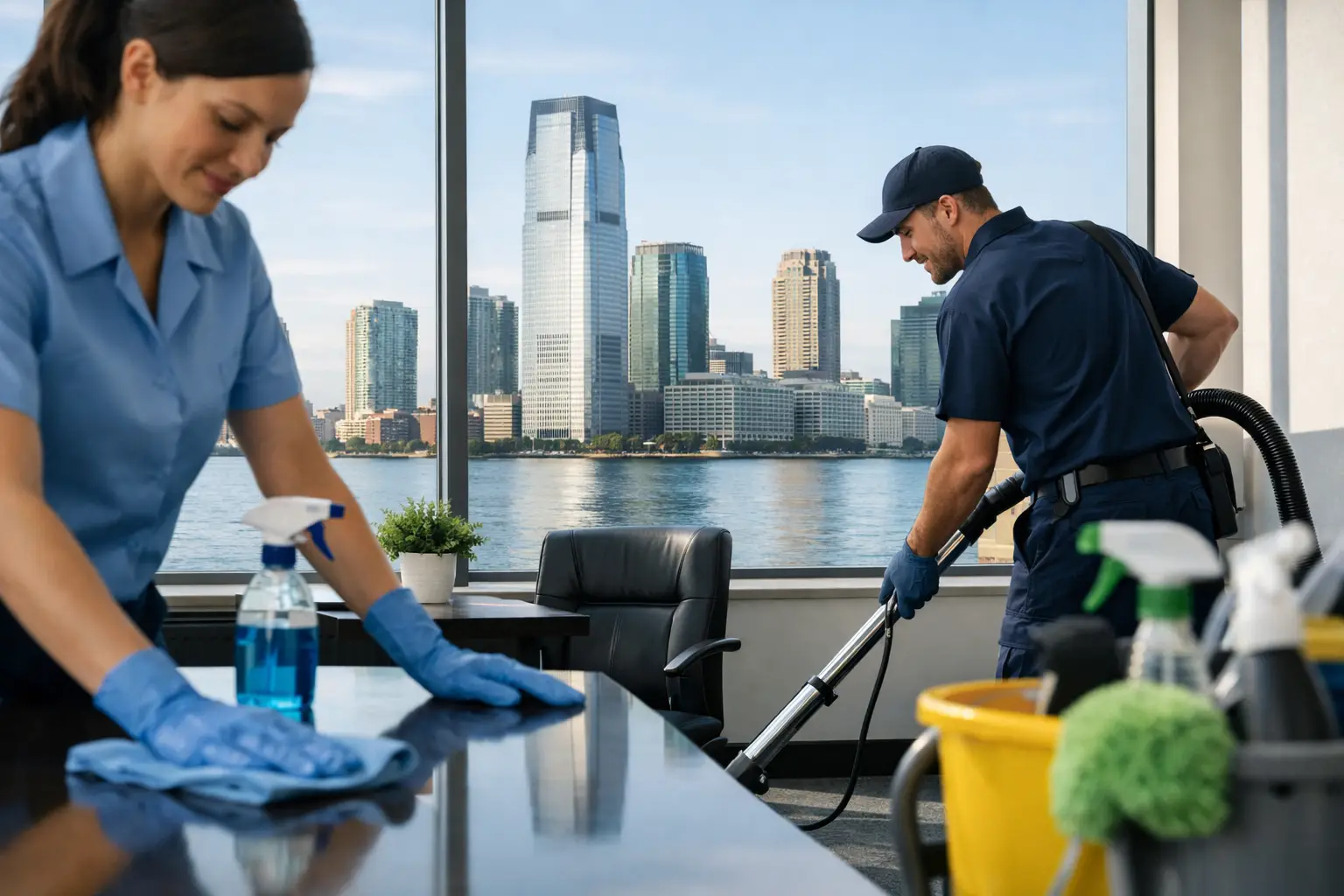
A missed restroom check at 10 a.m. can turn into tenant complaints by noon. In a medical suite, a detail missed in an exam room can create a very different kind of problem. That is why commercial cleaning Jersey City is not just about appearance. For office managers, property managers, and practice administrators, it is an operational decision tied to health, presentation, tenant retention, and day-to-day accountability.
Jersey City facilities often deal with high foot traffic, mixed-use buildings, shared lobbies, elevator congestion, and tight service windows. Those realities make cleaning more complex than a basic nightly checklist. The right vendor helps reduce management friction. The wrong one creates more of it.
What commercial cleaning in Jersey City should actually solve
A commercial cleaning provider should do more than empty trash and vacuum visible areas. The real job is to keep a facility consistently usable, presentable, and aligned with the standards of your business. That may mean maintaining a polished front office, supporting infection-control expectations in a healthcare setting, or preventing floors from deteriorating under heavy daily traffic.
Consistency is usually the deciding factor. Many facilities are satisfied after the first week of service. Problems tend to show up in week six, when communication slips, details get missed, and the scope starts drifting. A dependable janitorial partner is built around repeatable execution, site knowledge, and follow-through when something needs correction.
For managers overseeing multi-tenant offices, medical spaces, dental practices, daycares, churches, or common areas, that reliability matters as much as price. A lower quote can look appealing until missed service, unclear expectations, or weak supervision starts costing time internally.
How to evaluate a commercial cleaning Jersey City provider
Most buyers ask the right first question - what is included? The better question is how that scope will be managed over time.
A strong provider should begin with a walkthrough, not a generic rate sheet. Every facility has its own traffic patterns, touchpoint density, restroom usage, flooring types, and risk areas. A dental office has different priorities than a professional office suite. A daycare has different sanitation needs than a church or private administrative office. If a cleaning company treats them all the same, the service will likely feel generic.
During the evaluation process, pay attention to how clearly the company defines frequency, task ownership, inspection methods, and communication. If you ask how quality is checked, there should be a real answer. If you report a missed item, there should be a clear process for correction. Accountability should be part of the operating model, not a promise made during sales.
It also helps to ask practical questions that reveal how the company works under normal conditions, not just ideal ones. Who is your point of contact? How are call-outs handled? How are special requests documented? What happens if your access window changes? These details matter because cleaning service is only as good as its consistency under pressure.
Scope, frequency, and why one-size-fits-all pricing usually fails
Facilities often run into trouble when they buy a cleaning package instead of a cleaning plan. A package sounds simple, but it may not reflect the actual use of the building. Two offices with the same square footage can require very different service levels depending on staff count, public traffic, restroom demand, and flooring conditions.
That is why frequency should be built around operational reality. A small office with limited visitors may do well with service a few times per week. A busy medical office or multi-tenant commercial property may need daily attention, periodic daytime porter support, or more frequent restroom and touchpoint service.
The same is true for add-on services like carpet cleaning, hard floor care, and detail cleaning. These tasks should not be afterthoughts. Floors affect first impressions quickly, and deferred maintenance usually becomes more expensive later. Routine floor care extends surface life and helps facilities avoid the cycle of waiting until everything looks worn before acting.
There is always a trade-off between budget and coverage. Not every facility needs the highest frequency or the most specialized scope. But most problems begin when the scope is trimmed below what the building actually demands.
Compliance and cleaning standards matter more in some facilities
In general office environments, cleanliness supports morale, appearance, and everyday health. In medical and dental settings, cleaning standards carry additional weight because patient trust and regulatory expectations are part of the equation. Even when a janitorial company is not performing clinical disinfection, it still needs to understand high-touch cleaning, cross-contamination risks, and the difference between visible tidiness and sanitation-focused service.
That distinction is important when comparing vendors. Some companies are comfortable in standard office environments but are not structured for more sensitive spaces. Others understand how to service waiting rooms, treatment areas, restrooms, break rooms, and shared surfaces with the level of process and documentation those environments often require.
Daycares and churches also bring unique needs. Daycares require close attention to restroom sanitation, touchpoints, and surfaces that affect children and staff throughout the day. Churches may need flexible scheduling around services, events, classrooms, and fellowship spaces. In each case, the cleaning plan should reflect how the building is actually used.
Communication is the difference between decent service and dependable service
Many cleaning relationships fail for a simple reason: no one owns the communication. Tasks may be completed most nights, but when a problem comes up, there is confusion about who to contact, how quickly it will be addressed, and whether the issue will repeat.
That is why responsive communication should be treated as part of the service itself. A good commercial cleaning partner provides a clear point of contact, confirms expectations, responds to issues quickly, and makes adjustments when your facility changes. If you add staff, extend hours, renovate a suite, or prepare for an inspection, the cleaning plan should adapt.
This is especially important for property managers and operations leaders who do not have time to micromanage janitorial work. The goal is not to chase a vendor for updates. The goal is to have a partner that notices issues, communicates early, and resolves problems without creating extra work for your team.
Red flags to watch for before signing a contract
Some warning signs show up early if you know what to look for. Vague proposals are one of them. If the scope is too broad, there is room for disagreement later about what was included. Another red flag is a provider that focuses almost entirely on price while avoiding questions about supervision, inspections, and issue resolution.
Be cautious if the company cannot explain staffing coverage, quality control, or the products and procedures used in your type of facility. You should also be wary of overpromising. Reliable janitorial service is built on process, training, and accountability, not perfect language in a sales pitch.
References, insurance, and service documentation all matter, but so does professionalism during the walkthrough. If a provider does not ask detailed questions about your space, they may not build a detailed plan for it either.
A better way to choose a long-term cleaning partner
The best commercial cleaning relationships usually start with alignment. The facility explains what success looks like. The cleaning provider translates that into scope, frequency, inspection habits, and communication procedures. From there, both sides know what is being delivered and how performance will be measured.
For businesses in Jersey City and nearby North Jersey markets, that structure matters because buildings are busy, expectations are high, and delays are visible. A cleaning vendor should help your operation run smoother, not require constant follow-up.
CEECEE Commercial Cleaning works with businesses that need recurring service, specialized facility cleaning, and a more accountable approach to janitorial support. A walkthrough and customized proposal are often the best starting point because they show whether the plan fits the building before service begins.
If you are reviewing commercial cleaning Jersey City options, look past the first quote and focus on the operating model behind it. A clean facility is important, but a dependable process is what keeps it that way.
Call (917) 837-6499 or email info@ceeceecleaning.com