Commercial Cleaning Newark NJ for Better Facilities
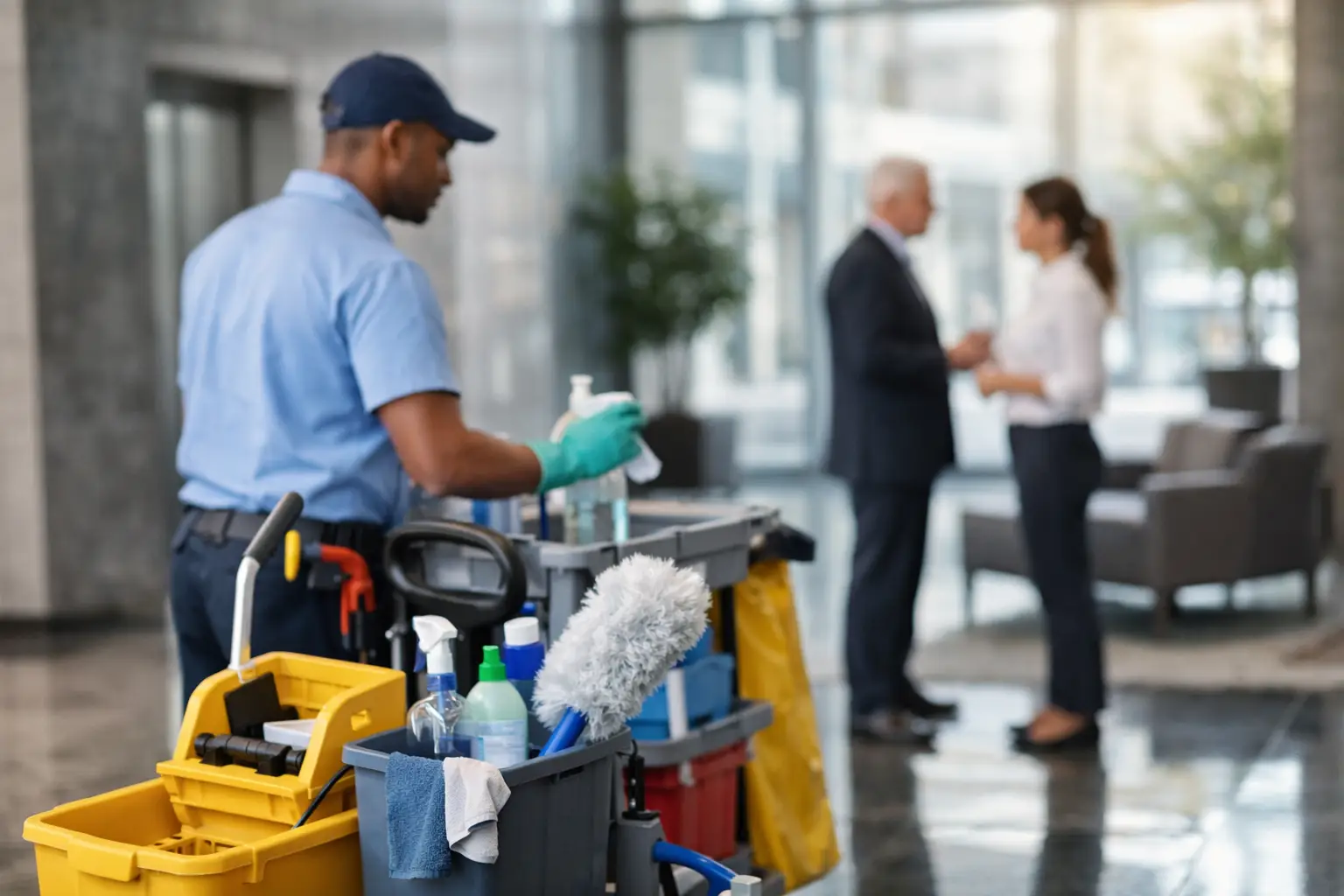
A missed trash pull before a client meeting, streaks on the lobby glass, or a restroom that runs out of supplies by noon can create more than an appearance problem. For many facilities, those issues signal a vendor problem - inconsistent execution, weak communication, and no clear accountability. That is why commercial cleaning Newark NJ is not just about keeping a building looking presentable. It is about protecting operations, supporting health and safety, and making sure your team is not managing cleaning problems on top of everything else.
In Newark, cleaning expectations vary widely from one facility to another. A medical office has different priorities than a corporate suite, and a daycare or church has different traffic patterns than a multi-tenant office building. The right janitorial plan starts with understanding how the building is used, who uses it, and what level of documentation or oversight the environment requires.
What commercial cleaning in Newark NJ should actually include
A good commercial cleaning program is built around routine, not guesswork. Daily, weekly, and periodic tasks should be clearly defined so there is no confusion about what gets cleaned, how often, and to what standard. When the scope is vague, service quality usually becomes inconsistent.
For most offices and commercial facilities, recurring service covers restroom cleaning and restocking, trash removal, dusting, vacuuming, floor care, breakroom cleaning, and attention to touchpoints such as door handles, switches, and shared surfaces. In higher-sensitivity environments like medical and dental offices, that scope often expands to include stricter disinfection protocols, more detailed documentation, and closer alignment with facility policies.
Periodic work matters just as much. Carpet cleaning, floor stripping and refinishing, machine scrubbing, upholstery cleaning, and deeper detail cleaning all help protect the appearance and lifespan of the space. If a provider only handles the obvious daily tasks and ignores periodic maintenance, the facility may look acceptable at first but decline over time.
Why Newark facilities need a more tailored approach
Newark properties often deal with dense occupancy, mixed-use traffic, weather-related soil at entrances, and tight building schedules. That means cleaning plans need to account for real conditions, not a generic checklist copied from another site.
A downtown office may need stronger lobby and restroom coverage because of visitor traffic. A medical practice may need evening service that avoids patient hours while still meeting infection-control expectations. A daycare may require close attention to shared surfaces and high-touch areas throughout flu season. Even within the same city, the right schedule and task frequency can look very different.
This is also where local responsiveness matters. If weather brings in extra debris, a building event changes access, or a facility manager needs an issue corrected quickly, the cleaning partner should be able to respond without turning a simple request into a long chain of follow-ups.
How to evaluate a commercial cleaning Newark NJ provider
The biggest mistake buyers make is focusing only on price or only on the initial walkthrough. A polished proposal is useful, but it does not tell you how a company performs three months into the agreement when schedules get tight and the day-to-day details start to matter.
Start with scope clarity. Ask whether the proposal separates routine tasks from periodic services. Make sure consumables, day porter needs, floor care expectations, and quality checks are addressed in writing. If the scope is vague, disagreements are almost guaranteed later.
Then look at communication. Who is your point of contact? How are service concerns reported, tracked, and resolved? What happens if a cleaner is absent? Reliable commercial cleaning depends on systems, not just good intentions.
Staffing and supervision matter as well. A company should be able to explain how team members are trained, how site expectations are documented, and how inspections are performed. This is especially important in medical offices, dental practices, schools, and any facility where cleaning quality affects compliance, safety, or brand reputation.
Insurance, background checks, and site security procedures should not be treated as side notes. For office managers and property managers, these details reduce risk. For practice administrators, they help support patient trust and internal standards.
Common problems that signal your current service is falling short
Sometimes facility leaders know service is inconsistent, but they have not defined why. The warning signs are usually operational before they become serious enough to trigger complaints from staff, tenants, or visitors.
One common issue is uneven results. Restrooms may look fine one day and neglected the next. Trash may be removed regularly, but corners collect dust and glass stays marked. This usually points to weak supervision or no practical quality-control process.
Another issue is poor communication. If you have to chase updates, repeat requests, or explain the same site expectations more than once, the service model is creating friction. Cleaning should reduce management burden, not add to it.
There is also the problem of overpromising in the proposal and underdelivering in the field. A provider may include detailed language about disinfection, inspections, or supply management, but if those tasks are not consistently visible in the building, the contract is not being executed as promised.
The role of quality control and accountability
A dependable janitorial partner does not wait for complaints to discover problems. Quality control should be built into the service from the start through inspections, communication logs, site checklists, and regular performance reviews.
That does not mean every building needs the same reporting structure. A smaller office may only need a consistent supervisor and periodic check-ins. A medical office or larger facility may need more formal inspections, documented corrective actions, and tighter tracking around supply levels or disinfection routines. The point is that accountability should match the building, not be left to chance.
For managers responsible for multiple priorities, this matters because cleaning is often noticed most when it fails. A proactive vendor helps prevent issues from reaching that point. They also make it easier to explain service performance internally when leadership asks questions about cleanliness, complaints, or vendor reliability.
Specialized facilities need specialized cleaning
Not every commercial space can be serviced with the same process. Medical offices and dental practices require greater attention to touchpoints, treatment areas, waiting rooms, and restroom sanitation. Cleaning teams should understand how to work within a regulated, patient-facing environment without disrupting operations or overlooking critical areas.
Daycare facilities need practical infection-prevention habits and careful attention to surfaces that children contact throughout the day. Churches and community spaces often require flexible scheduling and thoughtful cleaning around shared seating, flooring, entryways, and event use. Corporate offices may prioritize appearance, employee experience, conference room readiness, and predictable after-hours access.
This is where an experienced commercial cleaning company can add real value. Instead of pushing one standard package, they align service frequency, task detail, and supervision with how the facility actually operates.
Choosing a partner, not just a vendor
A workable cleaning relationship should feel organized from the beginning. The walkthrough should ask the right questions about occupancy, problem areas, floor types, supply responsibilities, security access, and any compliance concerns. The proposal should reflect those details clearly rather than relying on broad promises.
It also helps to choose a company that can grow with your needs. If you later add floor care, need carpet cleaning, expand into another suite, or require support across multiple New Jersey locations, the transition should be manageable. Consistency becomes much easier when the provider already understands your standards and communication preferences.
CEECEE Commercial Cleaning works with offices, medical practices, and other commercial facilities that need recurring service backed by communication and accountability. For buyers in Newark and nearby New Jersey markets, that kind of partnership can make the difference between constantly managing cleaning issues and having confidence that the work is getting done.
If you are reviewing commercial cleaning Newark NJ options, pay close attention to how each company defines scope, handles oversight, and responds when something needs to be fixed. A clean building matters, but a reliable process matters more. The best time to identify that difference is before service begins - ideally during a detailed walkthrough that turns your facility’s real needs into a practical, manageable plan.
Call (917) 837-6499 or email info@ceeceecleaning.com