Commercial Cleaning Services That Stay Consistent
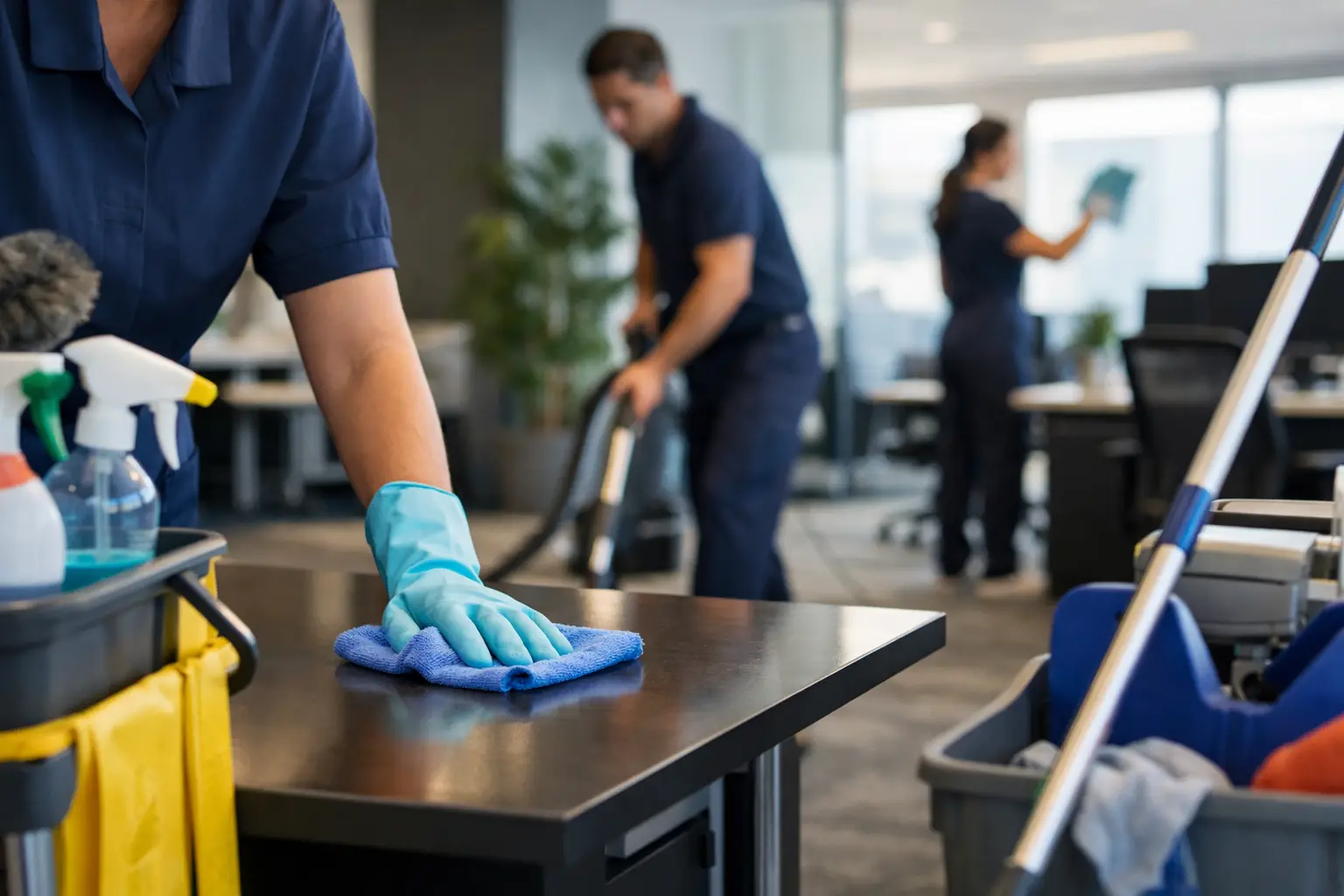
A cleaning vendor should not create another item on your daily follow-up list. When commercial cleaning services are inconsistent, the effects show up quickly: restrooms lose their presentable appearance, trash is overlooked, entry glass collects fingerprints, and employees or visitors begin to notice details that should have been handled. For office managers, facility managers, practice administrators, and property managers, the issue is not simply whether a building was cleaned. It is whether the expected standard was met without repeated reminders.
The right cleaning partner brings structure to a task that can otherwise become unpredictable. That structure starts with a clear plan, continues through each visit, and includes communication when conditions change. It protects first impressions while giving the person responsible for the facility more confidence in what will happen after hours.
What Commercial Cleaning Services Should Solve
Commercial cleaning is often treated as a basic commodity. In practice, facilities have different traffic patterns, risk areas, operating hours, surfaces, and expectations. A medical reception area does not have the same needs as a gym locker room. A multi-tenant office building requires a different approach than a daycare, church, or auto dealership showroom.
A useful service plan should solve operational concerns, not just assign generic tasks. It should define what is cleaned, how often it is cleaned, where special attention is needed, and who is responsible for resolving concerns. Without that level of clarity, a provider may clean the obvious areas while repeatedly missing the details that matter most to your staff, tenants, patients, customers, or visitors.
For many facilities, the most visible concerns include restrooms, lobbies, break rooms, floors, touchpoints, trash areas, and high-traffic glass. But less visible work matters as well. Dust buildup on vents, neglected corners, stained carpet paths, and poorly maintained hard floors can gradually affect how people perceive the entire facility.
Start With a Site-Specific Scope of Work
The strongest cleaning plans begin with a walkthrough. This is where a cleaning company learns how your facility functions instead of assuming every space needs the same routine. The walkthrough should cover square footage, room use, occupancy, traffic flow, access procedures, surface types, waste handling needs, and the times when cleaning can be completed without disrupting operations.
The result should be a documented scope of work. This document turns expectations into a shared reference point. It should identify recurring tasks by area and frequency, along with periodic work such as carpet cleaning, floor maintenance, detail dusting, and interior glass cleaning.
A useful scope is specific enough to be managed. Rather than saying that restrooms will be cleaned, it should establish the expected care for fixtures, partitions, floors, dispensers, mirrors, waste receptacles, and supply levels. Rather than saying floors will be maintained, it should distinguish between routine vacuuming or mopping and periodic machine work needed to preserve the surface.
This does not mean every facility needs an overly complicated checklist. It means there should be no guesswork about what the cleaning team is expected to complete. Clear documentation also makes it easier to adjust service when occupancy, operating hours, or building use changes.
Frequency Depends on Use, Not Just Square Footage
A large office with hybrid schedules may need less frequent detailed service than a smaller medical office with steady daily traffic. A daycare may need more attention to restroom and common-area turnover. A gym may need a schedule that reflects peak usage and locker room conditions. Square footage matters, but it is only one part of the decision.
When choosing frequency, consider how often visitors enter the facility, how many people use restrooms and break rooms, whether food is served or prepared, and which areas are central to first impressions. Also consider the cost of falling behind. Once floor finish is worn down or carpet traffic lanes are heavily soiled, recovery may require more than routine maintenance.
Inspections Turn Expectations Into Accountability
A cleaning plan is only as useful as the follow-through behind it. Regular quality inspections create a way to verify that the agreed scope is being completed and that conditions remain acceptable over time.
Inspections should be more than a quick glance at whether trash was removed. They should evaluate the areas that influence the facility experience: restroom condition, floor appearance, touchpoint detail, dust accumulation, lobby presentation, supply concerns, and tasks that are easy to miss during a busy shift. They should also identify recurring issues before they become a complaint from a tenant, patient, employee, or visitor.
Accountability works best when findings lead to action. If an issue is discovered, the response should be clear: what was found, what will be corrected, and whether the service plan needs to change. This is especially valuable in facilities where a missed detail can affect scheduling, client confidence, or staff morale.
At CEECEE Commercial Cleaning, The CEECEE Standard centers on documented expectations, quality checks, and proactive follow-up. The goal is straightforward: clients should know who to contact, what has been addressed, and how concerns will be handled.
Communication Is Part of the Service
Cleaning often happens when facility leaders are not on site. That makes communication a core part of the work, not an extra. Your cleaning partner should have a defined process for reporting issues such as damaged fixtures, supply shortages, spills, unusual waste, access problems, or areas requiring additional attention.
The best communication is timely and practical. A note about a leaking dispenser, a carpet stain near a reception desk, or repeated overflow in a trash area can help a facility team act before the issue affects occupants. In the same way, clients should be able to request a change, report a concern, or ask a question without having to track down multiple people.
Communication also matters when the normal routine changes. A special event, seasonal increase in traffic, illness-related absence, tenant move within a commercial property, or construction dust can create cleaning needs outside the standard schedule. A responsive provider will clarify the request, confirm the plan, and set realistic expectations instead of leaving the client unsure about what will happen.
Look Beyond the Nightly Routine
Recurring cleaning keeps a facility orderly from day to day, but periodic maintenance protects the building's longer-term appearance. Carpet extraction, floor care, interior window cleaning, high dusting, and detailed work in low-visibility areas can prevent gradual decline.
Hard floors are a good example. Routine mopping removes surface soil, but it may not be enough to maintain the appearance of vinyl, tile, or other flooring in high-traffic areas. The right floor care program depends on the material, foot traffic, moisture exposure, and the condition of the existing finish. Too little maintenance can lead to dullness and staining. Too much aggressive work can shorten the life of the surface. The answer depends on the facility and should be based on observation, not a one-size-fits-all schedule.
Carpet requires the same judgment. Frequent vacuuming addresses dry debris, while periodic extraction helps manage embedded soil and visible traffic patterns. Waiting until carpet looks severely worn usually makes the recovery process more difficult and can affect the appearance of reception areas, hallways, and offices.
Questions to Ask Before Choosing a Cleaning Partner
Before signing an agreement, ask how the company develops its scope of work, how it conducts inspections, and how concerns are documented and resolved. Ask who will be your point of contact, how schedule changes are handled, and what happens when a regular team member is unavailable.
It is also reasonable to ask how the company trains its team for your specific type of facility. A dental office, daycare, fitness center, office suite, and auto dealership do not present the same cleaning priorities. The provider should be able to explain how its approach changes based on your environment without making unsupported claims.
For facilities in Newark and throughout northern New Jersey, local coverage can also affect response times, supervision, and the ability to conduct walkthroughs when needs change. The important factor is not simply proximity. It is whether the provider has a clear system for maintaining the standard promised at the beginning of the relationship.
A clean facility should feel managed, not merely serviced. If you are evaluating commercial cleaning services, schedule a free walkthrough and request a customized proposal built around your building, your schedule, and the details your visitors will notice first.
Call (917) 837-6499 or email info@ceeceecleaning.com