Commercial Floor Care That Protects Your Facility
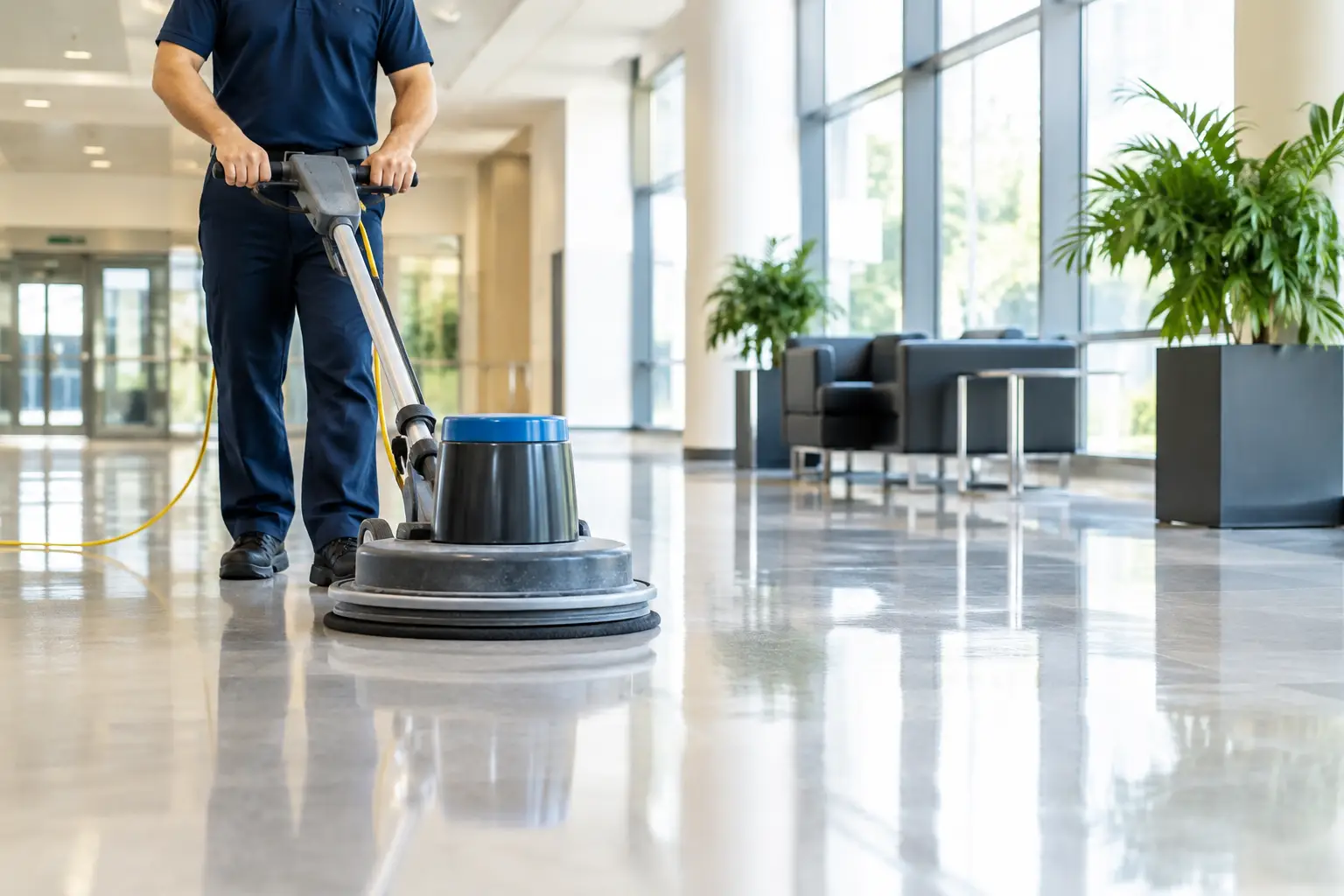
A clean lobby can lose its impact quickly when the floor is dull, sticky, scuffed, or visibly worn. For a facility manager, that is not just an appearance issue. It affects visitor confidence, employee safety, cleaning costs, and the life of a costly flooring asset. Effective floor care gives your facility a maintained, professional look without waiting until the damage is difficult or expensive to correct.
For offices, medical practices, gyms, daycares, churches, and multi-tenant properties in North Jersey, floors take a daily beating. Rain and road salt get tracked into Newark-area buildings in winter. Sand, grit, coffee spills, disinfectant residue, and heavy foot traffic create different problems throughout the year. A reliable program has to account for what happens in your building, not rely on a generic cleaning checklist.
Floor Care Is More Than Mopping
Mopping is one part of maintaining a hard surface, but it is not a complete floor care plan. The right approach starts with identifying the floor type, how it is used, where soil enters the building, and what level of appearance the facility needs to maintain.
A medical office with vinyl composition tile, for example, may need close attention to disinfectant residue, spills, and entryway moisture. A corporate office may need its lobby flooring kept presentable throughout the business day. A gym may face sweat, rubber marks, and high-impact traffic around equipment. Each space requires different products, equipment, frequencies, and quality checks.
Treating every floor the same can create problems. Using too much chemical can leave a sticky film that attracts more soil. Skipping dust mopping can let grit scratch hard surfaces. Delaying restorative work too long can turn a manageable maintenance issue into a premature replacement decision.
Start With the Floor and the Traffic Pattern
The first question is not, “How often should we mop?” It is, “What is this floor exposed to every day?” A documented walk-through should identify flooring materials, entrances, traffic lanes, spill-prone areas, transition points, and problem areas that need special attention.
Common commercial flooring requires different care:
- Vinyl composition tile and similar resilient floors often need routine damp mopping, periodic scrubbing, and properly timed finish maintenance.
- Luxury vinyl tile and plank need cleaning methods that protect the wear layer and avoid excess moisture or abrasive pads.
- Ceramic and porcelain tile may look durable, but grout lines can hold soil and need periodic detail cleaning.
- Concrete floors can accumulate dust, tire marks, and stains, particularly in service areas and auto dealerships.
- Carpeted entry areas require regular vacuuming and extraction planning because they act as the building's first filter for dirt and moisture.
Traffic patterns matter just as much as material. The path from the front door to reception, elevators, restrooms, break rooms, and conference areas usually shows wear first. If a cleaning team spends equal time in every area but overlooks those high-traffic lanes, the facility can still look neglected.
Prevent Soil From Becoming Surface Damage
Most floor damage starts with soil coming through the door. Fine grit acts like sandpaper under shoes and rolling equipment. Moisture creates slip risks and carries contaminants farther into the building. Salt residue can leave white haze and affect finishes if it is not removed correctly.
Entry mats are one of the simplest ways to protect floors, but only when they are sized properly and cleaned consistently. A mat that is saturated with water or packed with debris cannot do its job. In high-traffic commercial facilities, entrance care should be part of the daily scope, not an occasional task.
That same principle applies to quick response. A spill near reception, a sticky spot outside a break room, or wet flooring during bad weather should not wait until the next scheduled service if it creates a safety or appearance concern. Clear communication between the facility contact and cleaning provider makes a meaningful difference here.
Build a Schedule Around Maintenance Levels
Strong commercial floor care combines daily upkeep with periodic restorative service. The exact schedule depends on the building, but a practical plan generally includes routine removal of loose soil, regular wet cleaning, targeted spot treatment, and scheduled deep cleaning before floors look visibly neglected.
Daily service may include vacuuming or dust mopping, damp mopping, spot cleaning, and checking entries for moisture or debris. Weekly or monthly work might involve machine scrubbing of heavily used corridors, detail cleaning at edges, or treatment of stubborn marks. Periodic maintenance can include burnishing, scrub-and-recoat service, carpet extraction, or deeper grout cleaning.
The timing matters. A floor that receives periodic maintenance at the right interval often avoids the disruption and cost of a more aggressive restoration. On the other hand, performing restorative work too frequently can be wasteful and may not suit every surface. A site-specific plan balances appearance, wear, operating hours, and budget.
Protect Safety Without Leaving Residue Behind
Floor safety is not just about placing a wet-floor sign. It starts with using the right dilution, tool, and technique so the surface is cleaned without becoming slippery or tacky. Excess solution, dirty mop water, and products that are not appropriate for the flooring can all leave behind a residue that affects both appearance and traction.
Cleaning teams should follow manufacturer guidance for flooring and chemicals, use clean equipment, and allow adequate drying time. They should also pay attention to transitions between carpet and hard flooring, restroom entrances, and exterior doors, where moisture is most likely to travel.
For medical and dental offices, daycare centers, and gyms, the cleaning approach must also support the facility's hygiene expectations without damaging the floor. Disinfecting a surface and maintaining its finish are related tasks, but they are not always performed with the same product or process. That distinction should be understood before products are selected.
Ask for Documentation and Quality Checks
A floor care program should not depend on one person remembering what happened last month. Facility managers need visibility into what is being done, when periodic services are due, and how issues will be addressed.
A documented scope of work helps establish the daily and periodic tasks for each area. It should clarify which floors are included, the intended frequency, special instructions for sensitive surfaces, and any access requirements. This reduces missed details and gives both the client and cleaning team a clear standard to follow.
Quality inspections are equally valuable. A supervisor or account lead can catch early signs of dullness, buildup, damaged finish, edge soil, or recurring entryway issues before they become a larger concern. The goal is not to wait for a complaint. It is to identify a change in conditions and adjust the plan.
For example, if a lobby in Essex County begins showing more salt residue during winter, the response may include more frequent entry detailing, mat maintenance, and adjusted mopping methods. If a break room floor has recurring sticky spots, the issue may be the cleaning frequency, but it could also be product residue or a need for more frequent spot response. Good floor care looks at the cause, not just the visible symptom.
Know When Routine Cleaning Is No Longer Enough
Some signs indicate that a floor needs more than its standard service. Dull traffic lanes, black heel marks that do not lift, visible finish loss, persistent odor in carpet, embedded soil along edges, or grout that remains dark after routine cleaning all deserve evaluation.
That does not automatically mean the entire floor needs to be replaced or aggressively stripped. Often, a targeted deep clean, machine scrub, recoat, or extraction can restore appearance and extend the usable life of the material. The appropriate solution depends on the surface condition and the maintenance history.
This is where an experienced commercial cleaning partner should be candid. A floor that is structurally damaged may need a different solution than one affected by soil buildup. Clear recommendations, realistic scheduling, and documented follow-up help facility leaders make informed decisions instead of reacting to surface-level problems.
A Floor Program Should Make Your Job Easier
The right vendor should not require constant reminders about scuff marks in the lobby or dirty corners in a hallway. Your floor care plan should be clear, repeatable, and reviewed as your facility's needs change. It should protect the areas people notice first while supporting safer, longer-lasting flooring throughout the building.
CEECEE Commercial Cleaning helps commercial facilities across Newark and surrounding North Jersey communities create site-specific floor maintenance plans with defined tasks, inspections, and responsive communication. Schedule a free walkthrough to discuss the floors that receive the most traffic and build a practical plan to keep them looking cared for.
Call (917) 837-6499 or email info@ceeceecleaning.com