Floor Maintenance That Protects Your Facility
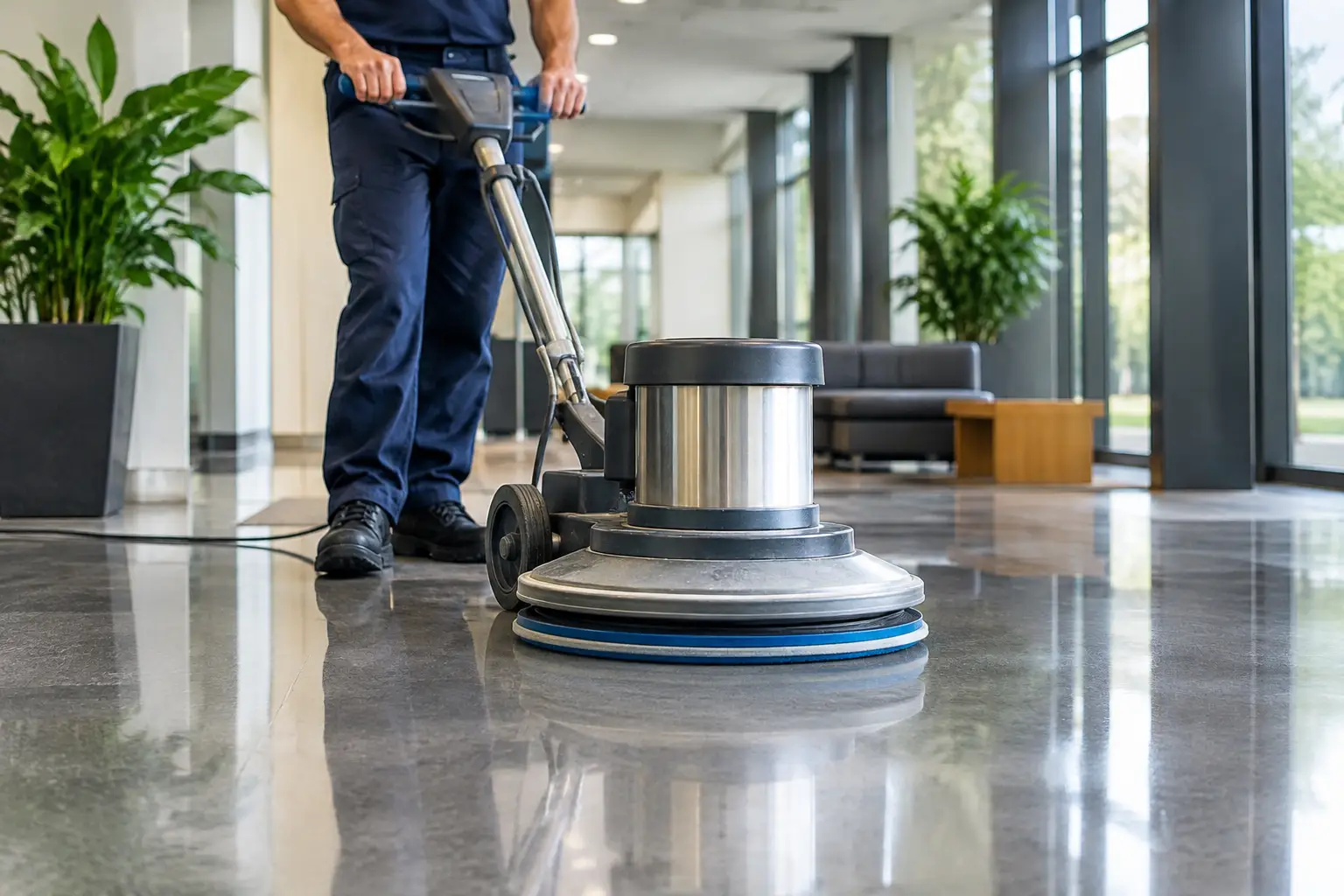
A dull lobby floor, sticky hallway, or scuffed entryway can change how people view your facility before they speak to anyone. It can also create a safety issue, shorten the life of expensive flooring, and leave staff wondering whether routine cleaning is actually being completed. Effective floor maintenance is not just about making floors look better after hours. It is a planned process that protects your building, your budget, and the experience of everyone who walks through the door.
For facility managers and office managers, the challenge is usually not knowing that floors need attention. The challenge is getting consistent results across different surfaces, traffic patterns, weather conditions, and cleaning shifts.
Why Floor Maintenance Is a Facility Management Issue
Floors take more abuse than nearly any other finish in a commercial building. Entrance areas collect moisture, salt, sand, and street debris. Hallways pick up scuffs from carts and rolling chairs. Restrooms require frequent attention for sanitation and slip prevention. In medical offices, daycares, gyms, and auto dealerships, the flooring may also face higher exposure to spills, soil, disinfectants, or heavy equipment.
When routine care slips, small issues become costly ones. Grit works into vinyl and tile surfaces, causing scratches and dullness. Moisture left at entrances increases the chance of slips. Carpet soil gets ground into fibers, making extraction more difficult and reducing the useful life of the material. A floor that looks permanently dirty may be clean, but it still sends the wrong message to patients, clients, tenants, and employees.
The right plan is not the same in every building. A low-traffic professional office may need detailed floor care on a different schedule than a busy Newark medical practice or a multi-tenant property with constant foot traffic. The goal is to match the work to the facility rather than applying the same checklist everywhere.
Start With the Floor Type and Traffic Pattern
A dependable maintenance program begins with a site review. Before deciding how often to scrub, burnish, vacuum, or extract, identify what is on the floor and what happens there every day.
Vinyl composition tile and luxury vinyl need regular dry soil removal, damp mopping, and periodic machine work to maintain their finish. Ceramic tile may tolerate moisture well, but dirty grout lines can quickly make a restroom or entry area look neglected. Carpet needs frequent vacuuming and prompt spot treatment, followed by scheduled deep cleaning based on traffic. Concrete, rubber, wood-look surfaces, and specialty flooring each have their own product and equipment requirements.
Traffic matters just as much as material. A corridor outside an elevator, reception desk, or break room will soil faster than a back office. Entryways need more attention during wet New Jersey winters, when tracked-in salt and moisture can damage surfaces and create hazards. A good cleaning partner adjusts the schedule when conditions change instead of waiting for a complaint.
High-Traffic Areas Need More Than Nightly Mopping
Nightly mopping has a place, but it cannot remove every layer of soil or restore a worn finish. In high-traffic areas, floor care should include regular detail work along edges, around furniture, and at entry matting. These are the places where soil accumulates first and where rushed cleaning is easiest to spot.
Entry mats also deserve attention. They are the first line of defense against grit and moisture, but they only work when they are vacuumed, cleaned, and positioned correctly. A saturated or curled mat can become a hazard rather than a protective measure.
Build a Practical Floor Maintenance Schedule
The most effective schedule separates daily work from periodic restorative work. This prevents a common problem: relying on occasional deep cleaning to compensate for missed routine service.
Daily floor care should focus on soil removal, spot response, and safety. That may include vacuuming carpeted areas, removing visible debris, damp mopping hard surfaces, addressing spills, and checking entrances and restrooms. These tasks keep soil from becoming embedded and allow staff to identify problems before they spread.
Weekly and monthly services should address areas that need more than surface cleaning. Machine scrubbing, detailed edge cleaning, carpet spotting, and attention to corners or under furniture can prevent buildup that makes floors look aged too soon. The exact timing depends on traffic, operating hours, and the type of facility.
Periodic restorative care is where planning saves money. Depending on the floor system, this may involve carpet extraction, spray buffing, burnishing, scrub-and-recoat work, or stripping and refinishing. Stripping a resilient floor too often can be unnecessarily disruptive and may wear the material over time. Waiting too long can make restoration more labor-intensive and leave the finish beyond easy repair. The right interval depends on how well daily and interim maintenance are being performed.
Document What Should Be Done and How It Is Checked
A floor care plan should not live only in someone’s memory. Documented scopes of work clarify which areas receive daily cleaning, which require periodic service, and what the expected result should look like. That matters when a building has multiple shifts, changing staff, or several floor types under one roof.
For example, a documented plan may distinguish between the lobby tile that needs daily attention, the conference room carpet that needs routine vacuuming and prompt spot treatment, and the break room floor that needs more frequent machine scrubbing. Clear expectations make it easier to confirm that work was completed and to identify where the plan needs adjustment.
Quality checks should be specific. Instead of simply asking whether the floors were cleaned, inspect for visible debris, sticky residue, streaking, black marks, dirty edges, wet-floor safety practices, and the condition of entry mats. These details reveal whether the work is protecting the floor or merely giving it a quick pass.
At CEECEE Commercial Cleaning, floor care is built around a site-specific scope, regular communication, and accountable follow-up. If an area is wearing faster than expected, the answer should be a conversation and a revised plan, not repeated frustration.
Avoid the Most Common Floor Care Mistakes
Many floor problems are caused by inconsistency rather than neglect. A few recurring mistakes can undermine an otherwise capable cleaning program:
- Using the wrong chemical or too much product, which can leave residue, dull finishes, or create a slippery surface.
- Mopping with dirty water or worn equipment, which redistributes soil instead of removing it.
- Ignoring edges, corners, and baseboards until buildup becomes highly visible.
- Delaying spill response, especially near entrances, break rooms, restrooms, and patient areas.
- Treating every part of the building on the same schedule, regardless of traffic or use.
These issues are preventable with trained staff, appropriate equipment, and clear supervision. They also require communication. If a renovation, event, seasonal weather change, or staffing shift increases traffic in one area, the cleaning plan should reflect it.
Plan for Weather, Events, and Changing Conditions
Commercial floors do not face the same conditions every month. Winter weather in North Jersey often calls for more frequent entryway checks, additional mat maintenance, and faster moisture response. Summer rain can create similar problems, particularly in buildings with busy public entrances. During flu season, a medical or dental office may need more frequent attention to high-touch areas and floors around waiting rooms, while still following the flooring manufacturer’s care requirements.
Events can also affect floor conditions. A church gathering, company meeting, open house, or dealership promotion may bring a surge of visitors through areas that normally see moderate traffic. Planning ahead allows for extra service before or after the event, rather than leaving staff to manage a noticeably worn floor the next business day.
This is where a responsive cleaning partner adds value. The facility manager should not have to repeatedly explain that conditions have changed. Regular check-ins and proactive site reviews help keep the maintenance plan aligned with the building’s actual needs.
Protect the Investment Before Replacement Is Necessary
Floor replacement disrupts operations and can be a significant capital expense. While every surface eventually reaches the end of its useful life, consistent maintenance helps delay that point. Removing abrasive soil, keeping finishes protected, treating spots promptly, and scheduling restorative work at the right time all preserve the appearance and performance of the material.
The visible result matters, but so does operational confidence. When floors are consistently cared for, employees notice fewer hazards, visitors see a more professional environment, and facility leaders spend less time following up on basic cleaning details.
If your commercial facility needs a clearer, more reliable floor care plan, schedule a free walkthrough with CEECEE Commercial Cleaning. A review of your floor types, traffic areas, and current challenges can help turn recurring issues into a documented plan that works day after day.
Call (917) 837-6499 or email info@ceeceecleaning.com