Gym Locker Room Cleaning Guide for Facility Managers
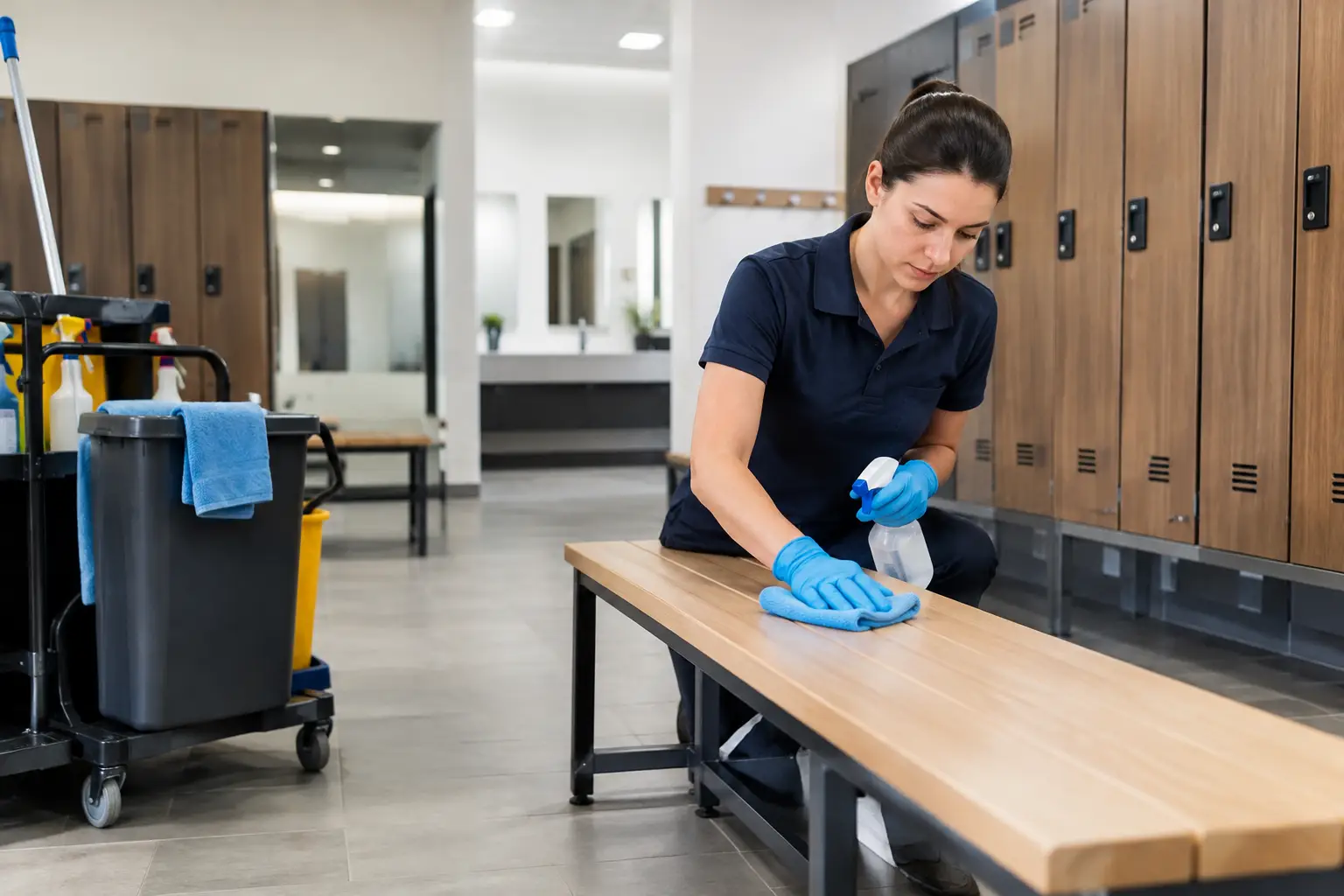
A member walks out of a workout feeling accomplished, then steps into a locker room with wet floors, overflowing trash, soap residue, and a lingering odor. That experience can undo the positive impression created everywhere else in the facility. This gym locker room cleaning guide helps facility managers build a practical routine that protects member confidence, supports safety, and makes cleaning expectations easier to manage.
Locker rooms are high-traffic, high-moisture spaces. They collect sweat, body-care products, hair, paper towels, and standing water throughout the day. A once-a-night cleaning approach may work for a lightly used area, but it will not keep pace in a busy fitness center. The right schedule depends on traffic, operating hours, available staff, and the number of showers and restrooms, but it should always be documented and inspected.
Why Locker Room Cleaning Needs Its Own Plan
A locker room cannot be treated like a standard hallway or office restroom. The cleaning team must manage different surfaces, changing moisture levels, privacy concerns, and frequent member use. Missed details become noticeable quickly: fingerprints on lockers, hair around drains, empty soap dispensers, and water near shower entrances all signal that the space is not being monitored.
There is also a safety issue. Wet tile and smooth flooring raise slip-and-fall risk, especially near showers, sinks, and pools. Cleaning products must be used according to label directions and allowed the required contact time to disinfect properly. Rushing through the process can leave surfaces looking clean without addressing the contamination that matters.
For facility managers, the goal is not simply to assign more tasks. It is to create a repeatable process with clear ownership. Staff should know what gets checked between scheduled cleanings, what is completed during a full service, and who receives notice when supplies or repairs are needed.
Build a Gym Locker Room Cleaning Schedule Around Traffic
The most effective schedule is based on when members use the room, not just when it is convenient to clean. Early mornings, lunch hours, and evenings can create very different conditions. A gym with showers used by commuters needs more frequent attention than a facility where most members change quickly and leave.
During operating hours: focus on resets
Daytime service should keep the room safe and presentable without disrupting members. A team member should inspect the area regularly, remove visible debris, empty trash before it overflows, restock paper goods and soap, and address water on floors immediately. This is also the time to check that shower drains are flowing and that benches, counters, and locker handles do not have visible residue.
A quick reset is not a substitute for detailed cleaning. It is the layer that prevents small problems from becoming a poor member experience by the end of the day.
After hours: complete the detailed clean
A full cleaning service should address every usable surface, including shower walls, partitions, toilets, urinals, sinks, mirrors, benches, lockers, dispensers, floors, and drains. High-touch points such as faucet handles, door hardware, locker pulls, toilet flush handles, and hair dryer controls need appropriate disinfection.
Floor care deserves special attention. Sweeping or vacuuming dry debris first prevents hair and paper from spreading through the area during wet mopping. Cleaners should then work from cleaner zones toward shower and toilet areas, changing mop water or microfiber as needed. Using one visibly soiled mop head across the whole locker room can spread soil instead of removing it.
Set weekly and monthly tasks
Some work cannot be completed well during a nightly service. Schedule deeper tasks on a weekly or monthly rotation, depending on use and surface condition. These may include machine scrubbing tile and grout, removing mineral buildup from fixtures, cleaning vents, dusting high ledges, wiping locker interiors when empty, and inspecting caulk, grout, drains, and floor edges.
If shower glass or tile begins to look cloudy, waiting until it becomes severe makes the correction harder and more disruptive. Regular maintenance reduces the need for aggressive restoration work later.
The Core Locker Room Cleaning Checklist
A documented checklist protects consistency, especially when multiple cleaners or shifts are involved. It should identify each area, the required frequency, and the expected result. “Clean showers” is too vague. “Remove hair and debris, clean walls and fixtures, disinfect high-touch controls, inspect drains, and leave floors free of standing water” is measurable.
For a detailed nightly service, the scope should generally cover these four areas:
- Restrooms and shower areas: Clean and disinfect fixtures, partitions, walls, drains, shower controls, and dispensers. Remove hair and residue from floors and corners.
- Lockers and changing areas: Wipe exterior locker surfaces, benches, counters, mirrors, door handles, and touchpoints. Check for abandoned items according to facility policy.
- Floors and waste stations: Remove debris, empty and reline waste containers, clean surrounding surfaces, and mop with the correct product and dilution.
- Supplies and condition checks: Refill soap, sanitizer, tissue, towels, and feminine hygiene supplies where applicable. Report leaks, damaged lockers, burned-out lights, persistent odors, or drainage issues.
The checklist should not live only in a manager’s inbox. Keep it available to the cleaning team and use it during quality inspections. Digital logs are useful when managers need confirmation across several locations or shifts, but a paper log can also work if it is reviewed consistently.
Control Odor by Solving the Source
Fragrance does not fix a locker room odor problem. It may cover the issue temporarily, but members often notice when scent is being used to mask poor conditions. Persistent odors usually point to moisture, dirty drains, wet textiles, full trash, inadequate airflow, or residue on floors and walls.
Start with the basics: remove waste on schedule, dry wet areas, clean drains appropriately, and ensure mops and microfiber are not being stored damp. Then look for building-related causes, such as poor ventilation, leaking fixtures, or water trapped beneath damaged flooring. Cleaning teams should report these issues promptly because they often require maintenance action, not another round of disinfectant.
This is where communication matters. If the same odor returns after every service, the facility manager needs more than a note that the room was cleaned. They need a clear observation, the likely source, and a recommendation for next steps.
Choose Products and Tools That Match the Surface
Using the wrong chemical can dull floors, damage locker finishes, leave slippery residue, or create unnecessary irritation in an enclosed space. Product selection should account for the flooring type, shower tile, fixtures, locker material, and manufacturer guidance.
Disinfectants must be EPA-registered for their intended use and applied at the required dilution and dwell time. Staff should never assume that a quick spray and wipe provides disinfection. They also need separate tools for restroom and shower zones versus lower-risk areas to reduce cross-contamination.
Microfiber cloths and flat mops are often effective for controlled, thorough cleaning, but only when they are changed often and laundered correctly. A clean supply of color-coded tools helps staff follow the process without guessing. For North Jersey gyms with heavy seasonal traffic, keeping extra floor-drying equipment on hand is also practical during wet weather.
Inspect the Result, Not Just the Task List
A completed checklist is useful, but it does not guarantee a clean locker room. Managers or supervisors should perform routine visual inspections at different times, including after peak use. Look at the details members see: floor edges, shower corners, mirror streaks, locker handles, trash lids, supplies, and odor.
When an issue is found, record it clearly and address the pattern. Was the task missed, was the frequency too low, did the cleaner lack the right tools, or is there a maintenance problem? Accountability works best when it leads to a correction, not blame.
CEECEE Commercial Cleaning uses site-specific scopes and quality checks because a locker room plan has to reflect how a facility actually operates. A 24-hour gym, a boutique studio, and a corporate fitness center should not be serviced as though they have the same traffic and risks.
When to Adjust Your Cleaning Plan
Review the plan when membership grows, hours expand, showers are renovated, or complaints become more frequent. Member comments about odor, empty supplies, wet floors, or dirty showers are operational feedback. Treat them as a signal to inspect the schedule and service scope before they become a recurring reputation issue.
A reliable locker room routine makes members feel that the facility is cared for even when no one is watching. If your Newark-area gym needs a documented cleaning plan, clearer inspection standards, or dependable follow-up, schedule a walkthrough with CEECEE Commercial Cleaning and start with the areas your members notice first.
Call (917) 837-6499 or email info@ceeceecleaning.com