How Much Does It Cost to Clean a Dental Office?
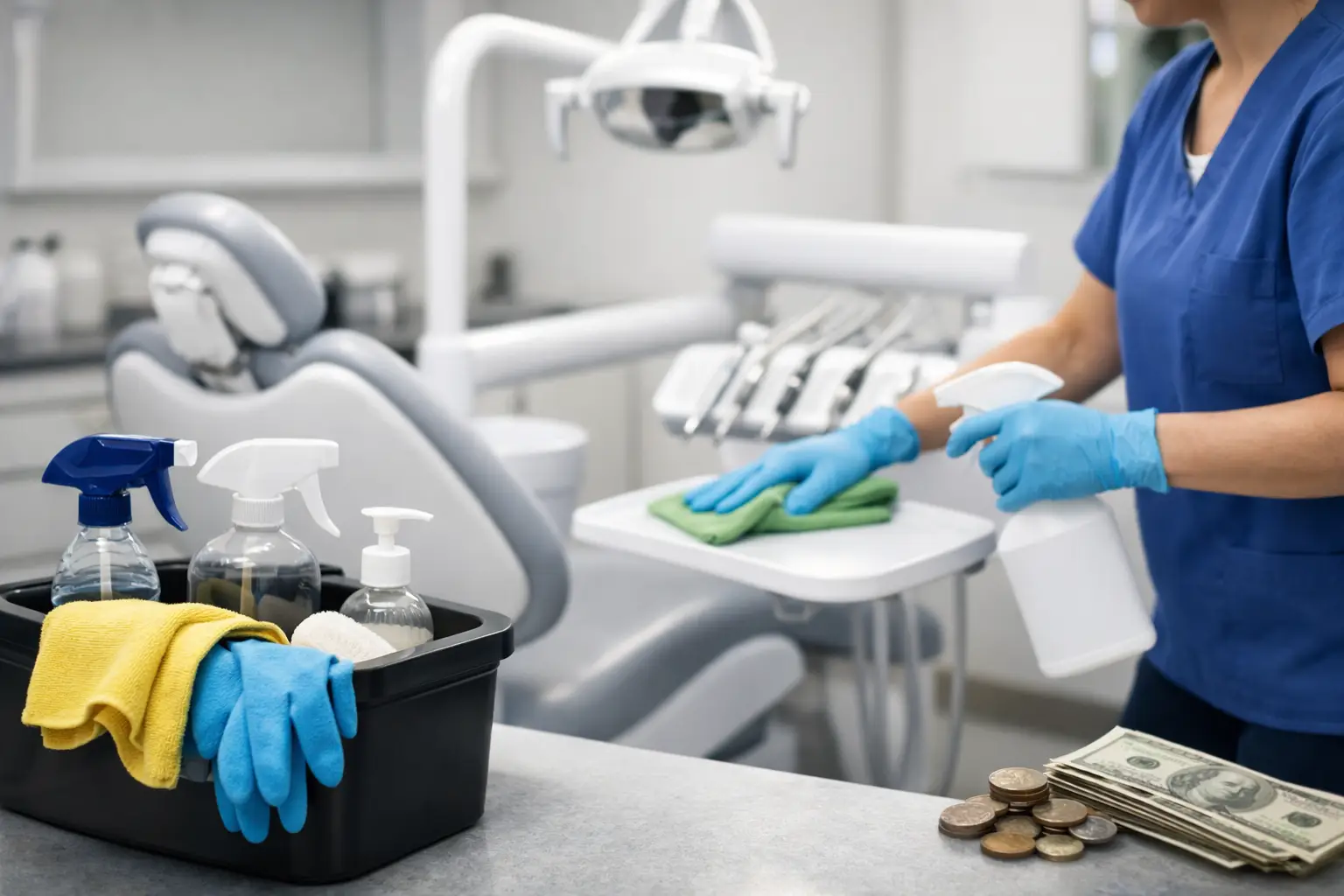
A dental office can look spotless to patients and still have cleaning gaps behind the scenes. That is usually where pricing questions start. If you are asking how much does it cost to clean a dental office, the short answer is that most practices pay based on size, frequency, scope, and the level of specialization required - not just square footage.
For a small general practice, recurring cleaning may fall into a moderate monthly range. For larger offices, specialty practices, or clinics with extended hours, the number can rise quickly. The difference often comes down to what is being cleaned, how often it needs attention, and whether the provider understands the demands of a patient-facing healthcare environment.
How much does it cost to clean a dental office each month?
Most dental office cleaning costs are structured as recurring service rather than one-time cleanings. In many markets, a small dental office may pay a few hundred dollars per month for basic recurring janitorial service, while a mid-sized or multi-operatory practice may pay significantly more. A large office with multiple treatment rooms, imaging areas, staff spaces, and heavy daily traffic can land at the higher end.
That range gets clearer when you look at what a cleaning company is actually pricing. A 1,500-square-foot office with limited patient volume and straightforward needs will not cost the same as a 4,000-square-foot specialty practice with strict scheduling restrictions, more touchpoints, and a larger restroom and waiting area load. Two offices can even be the same size and still price differently if one has carpet, multiple operatories, and more intensive restroom use.
For that reason, a flat online price is rarely accurate. A reliable quote should come from an on-site walkthrough or a detailed scope review.
What affects dental office cleaning cost?
Office size matters, but it is not the whole story
Square footage is one pricing factor because it influences labor time, supply use, and how much flooring, glass, and surface area must be maintained. Still, dental offices are not priced like standard office suites. A compact practice with six operatories can require more detailed cleaning than a larger administrative office with fewer sensitive areas.
Treatment room count often matters as much as total size. More operatories usually mean more chairs, counters, cabinetry fronts, sinks, partitions, and high-touch surfaces to address during each visit.
Cleaning frequency changes the price significantly
A practice cleaned five nights a week will cost more per month than one cleaned two or three times weekly. But less frequent cleaning does not always save money in a practical sense. If patient traffic is high, stretching out service can lead to restroom issues, dust buildup, floor wear, and a less polished appearance at the front desk and waiting area.
Daily service often makes sense for busy dental offices because it helps maintain consistency. A lower-frequency schedule may work for smaller practices with lighter traffic and shorter hours. The right schedule depends on volume, staffing, and the expectations you set for presentation and hygiene.
Scope of work drives labor time
There is a big difference between a basic janitorial visit and a more comprehensive dental office cleaning program. A standard scope may include vacuuming, mopping, restroom cleaning, trash removal, breakroom care, and wiping common touchpoints. A more detailed scope may also include disinfecting non-clinical surfaces more extensively, spot-cleaning glass, maintaining floors, cleaning baseboards on rotation, and addressing buildup in hard-to-reach areas.
The more detailed and consistent the scope, the more labor is required. That affects pricing directly.
Specialty needs and compliance awareness
Dental offices have different expectations than general office spaces. Even when a janitorial provider is not handling regulated clinical sterilization processes, the team still needs to understand how to work around treatment spaces, sensitive equipment, sharps protocols, and infection-control expectations. That level of awareness matters.
Cleaning companies that are trained for medical and dental environments may charge more than a basic office cleaning vendor. In many cases, that higher cost reflects lower risk, stronger accountability, and better alignment with the standards your practice needs to maintain.
Typical pricing models for dental office cleaning
Most companies price dental office cleaning in one of three ways. Some quote a monthly recurring rate. Others use a per-visit price and multiply it by the service frequency. Some also reference square footage to build the estimate, although that number is usually combined with scope and labor expectations.
Monthly pricing is often the easiest for office managers and practice administrators because it creates a predictable operating expense. It also helps when comparing proposals. A very low monthly rate may look attractive at first, but it often reflects a lighter scope, rushed labor, or inconsistent staffing.
One-time pricing works differently. If you need an initial deep clean, floor restoration, carpet cleaning, or catch-up service before starting recurring janitorial work, that is usually quoted separately. Dental offices that have gone without consistent service for a while often need that reset before routine maintenance can be effective.
Why one quote can be much lower than another
If you receive two proposals with a wide pricing gap, it is worth looking beyond the total. A lower price may mean fewer service days, less detailed restroom care, no periodic floor work, or limited quality control. It can also mean the company has not fully accounted for your actual needs.
That is where many practices run into problems. They select a low-cost vendor, then spend months dealing with missed tasks, communication issues, and inconsistent results. The price looked good, but the management time required to chase corrections made it more expensive in practice.
A stronger quote usually includes a defined scope, clear service frequency, communication expectations, and some form of accountability. For healthcare-adjacent spaces like dental offices, that structure matters just as much as the cleaning itself.
How to compare dental office cleaning proposals
When reviewing pricing, ask what is included in the recurring service and what is billed separately. Make sure you understand whether consumables are included, how often floors are detailed, what touchpoint cleaning is covered, and whether the company schedules periodic quality checks.
You should also ask who will be cleaning the office, how access is managed, and what happens if there is an issue after hours. A dependable provider should be able to explain its process clearly. Vague answers usually lead to vague performance.
It also helps to compare proposals based on value, not just price. A slightly higher monthly cost may be worthwhile if it brings consistent staffing, better communication, and fewer disruptions to your team.
What dental practices in New Jersey should keep in mind
In markets like Newark and surrounding New Jersey areas, pricing can vary based on labor costs, travel efficiency, building type, and scheduling constraints. A dental suite in a well-managed professional building may be easier to service than a standalone property with more floor area, separate entrances, and additional maintenance needs.
After-hours access, alarm procedures, parking limitations, and elevator use can all affect labor efficiency. These details may seem minor, but they can influence pricing and service consistency over time.
For local practices, choosing a provider with experience in commercial and dental environments usually leads to a more accurate proposal from the start. It also reduces the chances of surprises after service begins.
Is cheaper dental office cleaning worth it?
Sometimes a lower-cost option is perfectly fine if the scope is light and the company is reliable. But in many dental settings, the cheapest bid becomes the most frustrating one. Patient-facing spaces require a clean, orderly appearance every day. Staff need restrooms, breakrooms, and shared areas maintained consistently. Management needs a vendor that communicates clearly and resolves issues without repeated follow-up.
That reliability has value. So does accountability. If a cleaning company can document expectations, show up consistently, and respond quickly when something needs attention, that often saves more than it costs.
Getting an accurate price for your office
The best way to price dental office cleaning is through a walkthrough. That allows the cleaning provider to assess your layout, flooring, patient flow, treatment room count, restroom use, and any special scheduling needs. It also gives you a chance to explain priorities, whether that is front-office appearance, restroom consistency, floor care, or a more detailed recurring program.
A customized quote should reflect the real workload, not a generic formula. That is especially important in dental settings, where two offices that look similar on paper may require very different service plans.
For practices that want dependable recurring service, clear communication, and a cleaning scope built around day-to-day operations, a walkthrough is the right starting point. CEECEE Commercial Cleaning provides customized proposals based on your actual facility, schedule, and service needs. If you are evaluating vendors, the most useful next step is simple: get a clear scope, ask detailed questions, and choose the partner you will not have to manage twice.
Call (917) 837-6499 or email info@ceeceecleaning.com