How to Clean Dealership Showrooms Without Missed Details
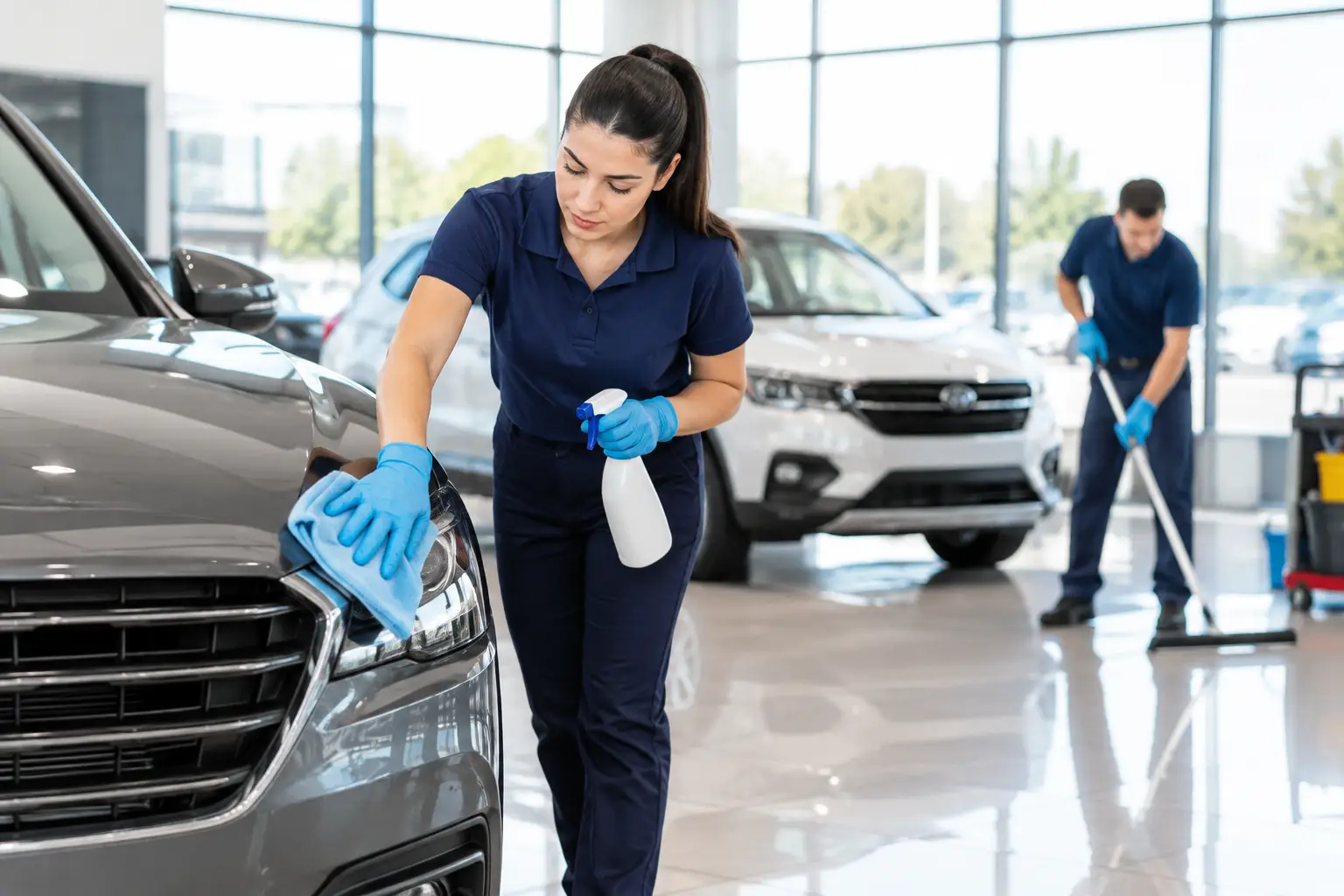
A dealership showroom can look clean at 8:00 a.m. and lose its polished appearance before the first sales appointment is over. Fingerprints collect on entry doors, wet footprints dull the tile, coffee spills appear near the waiting area, and dust becomes visible on dark vehicles under bright lighting. For managers responsible for the customer experience, learning how to clean dealership showrooms means building a repeatable system, not simply scheduling someone to empty trash at night.
A showroom is part retail space, part office, and part service environment. Every surface contributes to a customer's first impression of the dealership and the vehicles it represents. The goal is not a heavily scented space or a rushed once-over. It is a consistently clean, safe, customer-ready facility that holds up throughout the business day.
How to Clean Dealership Showrooms With a Site-Specific Plan
The most effective cleaning plan starts with a walkthrough. A generic checklist may cover restrooms and trash, but it can miss the details that matter in a dealership: floor mats at the entrance, display vehicle glass, customer lounge tables, sales desks, children's areas, accessories displays, and the path between the showroom and service department.
During the walkthrough, divide the facility into zones based on traffic and visibility. The front entry, showroom floor, reception area, customer lounge, restrooms, and sales offices generally need the most attention. Back offices, storage areas, and staff break rooms still matter, but they may require a different schedule.
A documented scope should answer simple operational questions. Which areas are cleaned nightly? Which touchpoints need attention during the day? Who reports a broken dispenser, burned-out bulb, or damaged floor mat? What does an acceptable result look like for each area?
This level of detail matters because dealerships have changing conditions. Rainy days in North Jersey bring salt, grit, and moisture through the entrance. Weekend events create more fingerprints and waste than a typical weekday. A cleaning plan should be flexible enough to address those conditions without leaving the team guessing.
Start With the Details Customers Notice First
Customers form opinions before a salesperson begins a conversation. The entry doors, lobby glass, floors, reception counter, and air around the showroom all send a message about how the dealership operates.
Keep glass clear and streak-free
Glass is one of the most visible surfaces in an auto dealership. Clean exterior and interior entrance doors, sidelights, showroom windows, display cases, and interior partitions with a commercial glass cleaner and clean microfiber cloths. Use separate cloths for glass and other surfaces to avoid transferring residue.
Fingerprints on vehicle windows and display vehicles should be addressed carefully. Cleaning staff should follow dealership direction on which vehicles may be touched and which approved products can be used. Household products, abrasive pads, and overly wet cloths can leave residue or damage sensitive interior surfaces.
Protect high-traffic floors
Showroom floors take more abuse than most office floors. Customers walk in from parking lots, service customers cross through from the drive, and employees move between departments all day. Fine grit can scratch hard flooring, while moisture creates a slip risk and makes a clean floor look neglected.
Place sufficient walk-off mats at all active entrances and maintain them frequently. Vacuum or sweep dry debris before wet mopping. If the floor is mopped first, grit may be spread across the surface and leave streaks behind.
The right floor method depends on the material. Ceramic tile, luxury vinyl tile, polished concrete, natural stone, and carpet each require different products and equipment. Using too much cleaner or the wrong chemical can leave haze on hard floors and make a showroom appear dull under overhead lights. For many facilities, nightly cleaning is necessary, with daytime spot cleaning during wet weather or high-traffic sales events.
Clean vehicles only within approved boundaries
Display vehicles are central to the showroom, but they require care. A cleaning crew should not assume that every vehicle needs the same treatment as a desk or table. Dealership management should define whether cleaners are responsible for removing visible dust from exterior surfaces, cleaning fingerprints from door handles, vacuuming floor mats, or simply reporting concerns to the detailing department.
Clear boundaries prevent duplication, damage, and missed responsibilities. If a vehicle has been moved, unlocked, or prepared for delivery, the cleaning team needs a process for communicating with the appropriate dealership contact before work begins.
Focus on Customer Areas Beyond the Sales Floor
The showroom may be the most visible space, but customers also judge the dealership by the areas where they wait, use the restroom, sign paperwork, or speak with service advisors.
Reception counters and sales desks should be dusted and disinfected as appropriate, with special attention to phones, tablet stands, card terminals, door handles, chair arms, and other high-touch points. The goal is to remove soil without leaving wet surfaces, chemical odor, or residue on customer-facing materials.
In the customer lounge, empty trash, wipe tables, straighten chairs, clean beverage station surfaces, and address spills promptly. If the dealership offers snacks or coffee, the surrounding counters and waste receptacles need more frequent attention than a standard office break area. Overflowing trash near refreshments is especially noticeable.
Restrooms require a detailed process, not a visual check from the doorway. Clean and disinfect fixtures, partitions, dispensers, handles, sinks, mirrors, and floors. Refill soap, paper towels, tissue, and feminine hygiene supplies according to the facility's program. A restroom can appear clean while still failing customers because dispensers are empty or floors are wet.
Use the Right Products and Equipment
A professional result depends on matching products to surfaces and following manufacturer directions. More chemical does not mean cleaner. Overuse can cause buildup on floors, leave streaks on glass, and create unnecessary odor in enclosed customer areas.
Color-coded microfiber cloths and mop heads help prevent cross-contamination between restrooms, break rooms, offices, and customer spaces. HEPA-filter vacuums can improve dust control in carpeted offices and lounge areas. Properly maintained equipment also protects floors and reduces the risk of debris being tracked from one zone to another.
Safety should remain part of every task. Wet-floor signs should be placed before mopping begins and removed only after surfaces are dry. Cleaning carts should be organized and positioned so they do not block exits, customer pathways, or vehicle access. Chemical containers should be labeled, secured, and never left unattended in public areas.
Build Daytime Cleaning Into the Operation
Nightly service is essential, but it may not be enough for a busy dealership. A showroom that sees steady traffic, service appointments, and customer events benefits from daytime porter support or scheduled day checks.
Daytime cleaning is not a replacement for full nightly service. It is a way to maintain the standard between deeper cleanings. A porter can respond to rain at the entrance, refresh restrooms, remove visible fingerprints from doors, spot-clean spills, collect overflowing trash, and reset the lounge before those issues affect customers.
The right frequency depends on dealership size, hours, foot traffic, weather, flooring, and whether service and sales share customer areas. A small showroom may need a short midday check. A high-volume dealership may need continuous attention during peak hours. The important point is to match staffing and timing to real conditions rather than relying on a fixed schedule that no longer fits the operation.
Inspect the Showroom Before Problems Become Complaints
Cleaning quality is easier to maintain when expectations are visible and inspections are routine. A manager should not have to wait for a customer complaint to find out that the restroom is out of paper towels or that the entrance glass is covered in prints.
A practical inspection should cover the entry, glass, floors, trash, restrooms, lounge, sales offices, and major touchpoints. It should also include issues that are not strictly cleaning tasks, such as damaged mats, leaking dispensers, burned-out lights, or clutter that affects presentation. The cleaning provider should report those findings promptly and document what was corrected.
At CEECEE Commercial Cleaning, dealership service plans are built around the facility's traffic patterns, customer-facing areas, and operating hours. Clear scopes of work, regular quality checks, and responsive communication help ensure that routine details do not become recurring management problems.
Avoid the Common Gaps That Make a Showroom Look Neglected
The most common problem is treating the dealership like a standard office. Offices can often tolerate a minor fingerprint on a glass door or a little dust near a baseboard. In a showroom, bright lighting and polished surfaces make small issues more visible.
Another gap is cleaning only what is easy to see at night. A crew may empty trash and mop the main floor but overlook chair legs, reception counters, interior glass, door tracks, corners around display stands, and the space beneath lounge furniture. Those areas collect dust and debris over time, even when the facility is cleaned regularly.
Poor communication creates a third problem. When a dealership hosts a sales event, changes hours, adds a new display area, or has a spill after cleaning is complete, the provider needs a clear contact process. Reliable service is not just about completing a checklist. It is about responding when the facility's needs change.
A clean dealership should support the sales experience without calling attention to itself. If you manage a showroom in Newark or elsewhere in North Jersey and need a cleaning plan that accounts for your traffic, flooring, customer areas, and service hours, schedule a free walkthrough with CEECEE Commercial Cleaning. A clear plan and regular follow-through can keep your facility ready for the next customer who walks through the door.
Call (917) 837-6499 or email info@ceeceecleaning.com