Medical Office Cleaning Checklist Guide
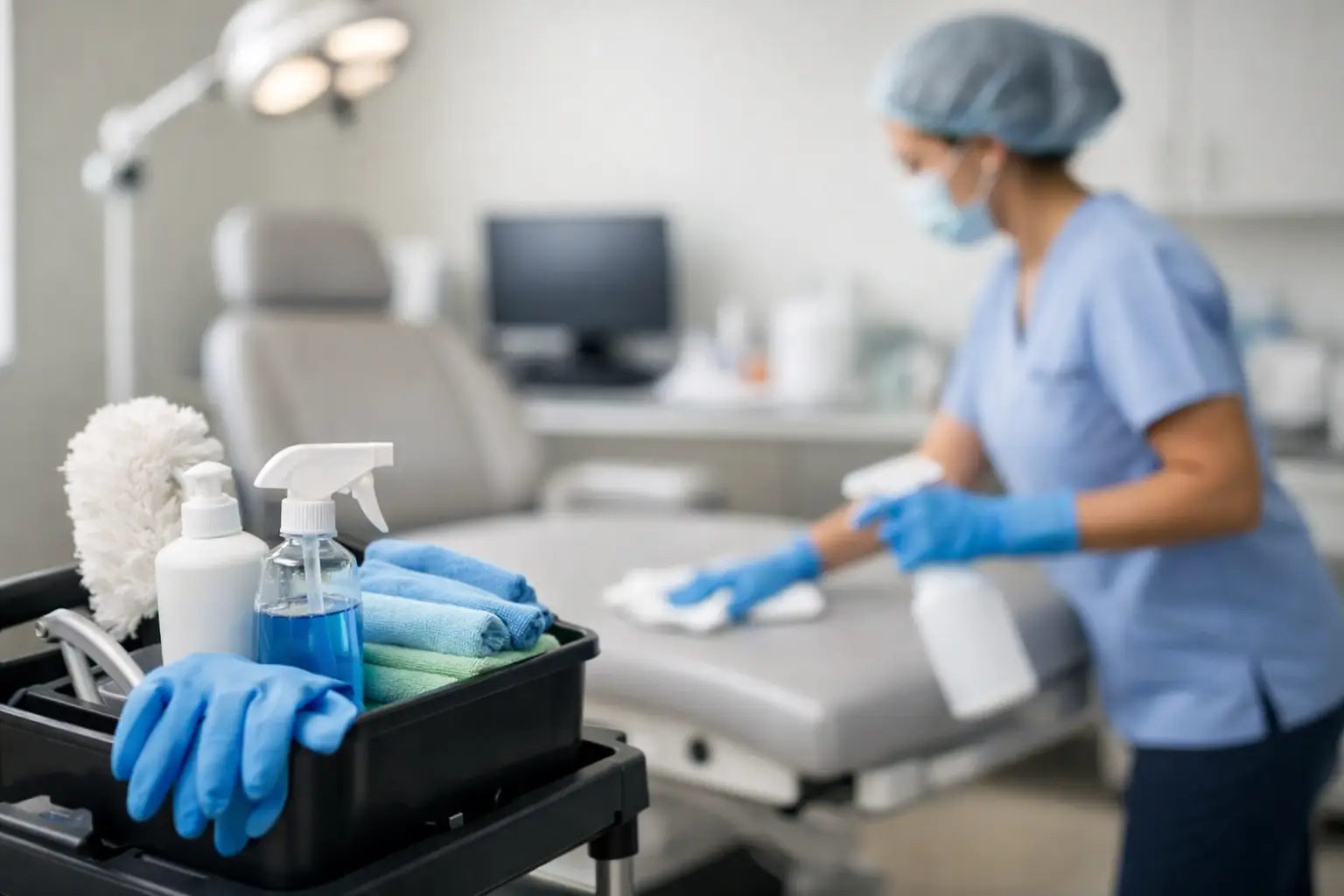
A missed trash liner in the exam room. Fingerprints on the glass entry. A restroom that looked fine at 8 a.m. and worn down by noon. In a medical setting, small cleaning misses do not stay small for long. This medical office cleaning checklist guide is built for practice administrators, office managers, and facility leaders who need a cleaning plan that protects first impressions, supports daily operations, and holds up under scrutiny.
Medical offices are different from general workplaces because the stakes are higher and the traffic patterns are less predictable. Patients notice the reception area right away, but staff notice the details behind the scenes - whether supplies are restocked, whether floors are being maintained correctly, and whether the cleaning team follows the same process on every visit. A checklist helps, but only if it reflects how the office actually runs.
What a medical office cleaning checklist guide should actually do
A useful checklist does more than assign tasks. It creates consistency, clarifies expectations, and makes it easier to verify whether work was completed the right way. That matters when multiple exam rooms turn over quickly, when providers have different schedules, or when one part of the office gets far more use than another.
The best checklists are site-specific. A pediatric practice, dental office, urgent care clinic, and specialty medical suite may all need daily cleaning, but their priorities are not identical. Some offices need heavier attention on waiting areas and restrooms. Others need tighter coordination around treatment rooms, provider offices, imaging spaces, or lab-adjacent areas. If the checklist is too generic, the team ends up guessing.
That is usually where frustration starts. Managers do not want to walk a building every morning making note of the same misses. They want a documented scope, clear communication, and accountability when something needs correction.
Core zones in a medical office cleaning checklist
A complete medical office cleaning checklist guide should be organized by space, not just by task. That structure makes it easier for both the cleaning team and the practice to confirm what gets done each visit.
Reception and waiting areas
The front of the office sets the tone. Patients often decide how well a practice is managed before they ever see a provider. Entry glass, door handles, check-in counters, seating, side tables, and visible floor areas need regular attention because they shape that first impression.
Daily checklist items usually include removing trash, replacing liners, dusting horizontal surfaces, spot-cleaning glass, cleaning touchpoints, straightening furniture, and vacuuming or mopping floors as needed. If the office experiences heavy foot traffic, floor care may need more than one pass per day. That is one of those areas where frequency matters as much as the task itself.
Exam rooms and treatment spaces
Exam rooms require a more controlled process. Surfaces, chairs, tables, sinks, visible fixtures, touchpoints, and floors should be cleaned according to the office's documented scope and timing needs. The sequence matters because random cleaning leads to missed details.
These rooms also require coordination. Some practices want cleaning only after hours, while others need support during open hours for room turnover or touch-up service. A checklist should reflect access, scheduling, and any rooms with restricted use or provider-specific instructions.
Restrooms
Restrooms are one of the fastest ways to lose confidence in a cleaning vendor. In medical offices, they need close attention not only for appearance but also for supply management and odor control. Toilets, urinals, sinks, counters, mirrors, partitions, dispensers, door hardware, and floors all need routine care.
The checklist should also include inventory checks for soap, paper products, and liners. A clean restroom that runs out of supplies still creates a poor experience for patients and staff.
Staff break rooms and administrative areas
These spaces are easy to overlook because they are not patient-facing, but staff notice them immediately. Break room counters, sinks, appliance exteriors, tables, chairs, trash, and floors should all be addressed consistently. Administrative offices may need lighter cleaning than exam rooms, but they still need dust control, trash removal, touchpoint attention, and floor care.
If certain offices contain paperwork or sensitive materials, the checklist should note any limits on what can be moved or cleaned around. That protects both the client and the cleaning team.
Daily, weekly, and periodic tasks
One reason checklists fail is that everything gets treated like a daily task. That is not efficient, and it can create unrealistic expectations. A stronger plan separates what must happen every visit from what should happen weekly or on a rotating schedule.
Daily priorities
Daily work usually covers visible appearance, touchpoints, trash, restrooms, floor care, and room readiness. These are the tasks that affect patient experience and day-to-day operations most directly. If daily tasks are inconsistent, the entire office feels unmanaged.
Weekly and rotational work
Weekly tasks may include detail dusting, baseboard checks, partition wiping, deeper attention to corners and edges, and more thorough cleaning of less frequently used rooms. Rotational work may include machine floor care, carpet spot treatment, high dusting, vent cleaning, interior glass beyond daily touch-up areas, and upholstery attention where needed.
The trade-off is simple. If the office wants a higher visual standard every day, more detail work needs to be built into the regular service plan. If the budget or schedule is tighter, some tasks can rotate, but they should still be documented so they do not disappear.
What to include in the checklist besides cleaning tasks
A medical office cleaning checklist guide should also cover operational details. This is where many service plans either stay organized or start to slip.
First, note access instructions. If certain suites, labs, provider offices, or storage areas have limited access windows, that should be written down clearly. Second, include supply responsibilities. If the cleaning company restocks consumables, the process for inventory checks and reorder alerts should be part of the plan.
Third, define issue reporting. If a dispenser is broken, a leak is noticed, or a room could not be serviced, there should be a standard way to communicate that. Silence creates repeat problems. Clear reporting creates accountability.
Finally, build in inspections. A checklist is useful, but inspection is what confirms the checklist is being followed. Spot checks, walkthroughs, and documented quality reviews help catch trends before they become complaints.
Red flags that your current checklist is too weak
If your current cleaning checklist is one page long and could apply to any office in any industry, it is probably too broad. Medical environments need more detail than a generic wipe-down and vacuum list.
Another red flag is frequent re-explaining. If your staff keeps reminding the cleaning team about exam rooms, restrooms, or front desk details, the scope is not clear enough. The same is true if issues are corrected once and then return a week later. That usually points to a lack of follow-through, not just a one-time oversight.
A third issue is the absence of ownership. If no one is clearly responsible for updates, inspections, or communication, the checklist becomes a piece of paper instead of a working system.
How to build a checklist that holds up over time
Start with a walkthrough of the full office during real operating conditions, not just after hours. That helps identify high-traffic zones, trouble spots, and spaces that need different frequencies. Then group tasks by area and by timing so expectations are easy to follow.
Next, document standards in plain language. Instead of vague instructions like clean restroom, define what that includes. The more specific the scope, the easier it is to train, inspect, and correct.
Then decide how updates will be handled. Medical offices change. Rooms get repurposed, providers adjust schedules, and waiting areas may be expanded or rearranged. The checklist should be reviewed periodically so it stays aligned with the facility.
For many offices in Newark and surrounding North Jersey communities, this is where a structured commercial cleaning partner makes a real difference. A site-specific plan, regular communication, and documented inspections reduce the amount of vendor management the practice has to do internally.
A practical example of checklist thinking
Consider two offices with the same square footage. One has steady primary care traffic throughout the day. The other has fewer patients but more intense room use and stricter scheduling around treatment spaces. If both receive the same generic checklist, one will be over-serviced in the wrong areas and under-serviced in the right ones.
That is why checklist design should follow workflow, not just square footage. The right question is not only what needs cleaning, but when, how often, and with what level of detail. That is the difference between a service plan that looks fine on paper and one that actually supports the practice.
At CEECEE Commercial Cleaning, that approach is part of The CEECEE Standard - documented scopes of work, proactive communication, and quality checks that help medical offices stay consistent without constant follow-up. If your current cleaning plan feels too generic or too reactive, a walkthrough can usually identify the gaps quickly.
If you want a cleaner, more manageable medical office, start with the checklist. Not as a formality, but as an operating tool your team can trust. If you are reviewing cleaning support for your practice, request a free walkthrough and a customized proposal built around how your office actually functions.
Call (917) 837-6499 or email info@ceeceecleaning.com