Medical Office Disinfection Services That Hold Up
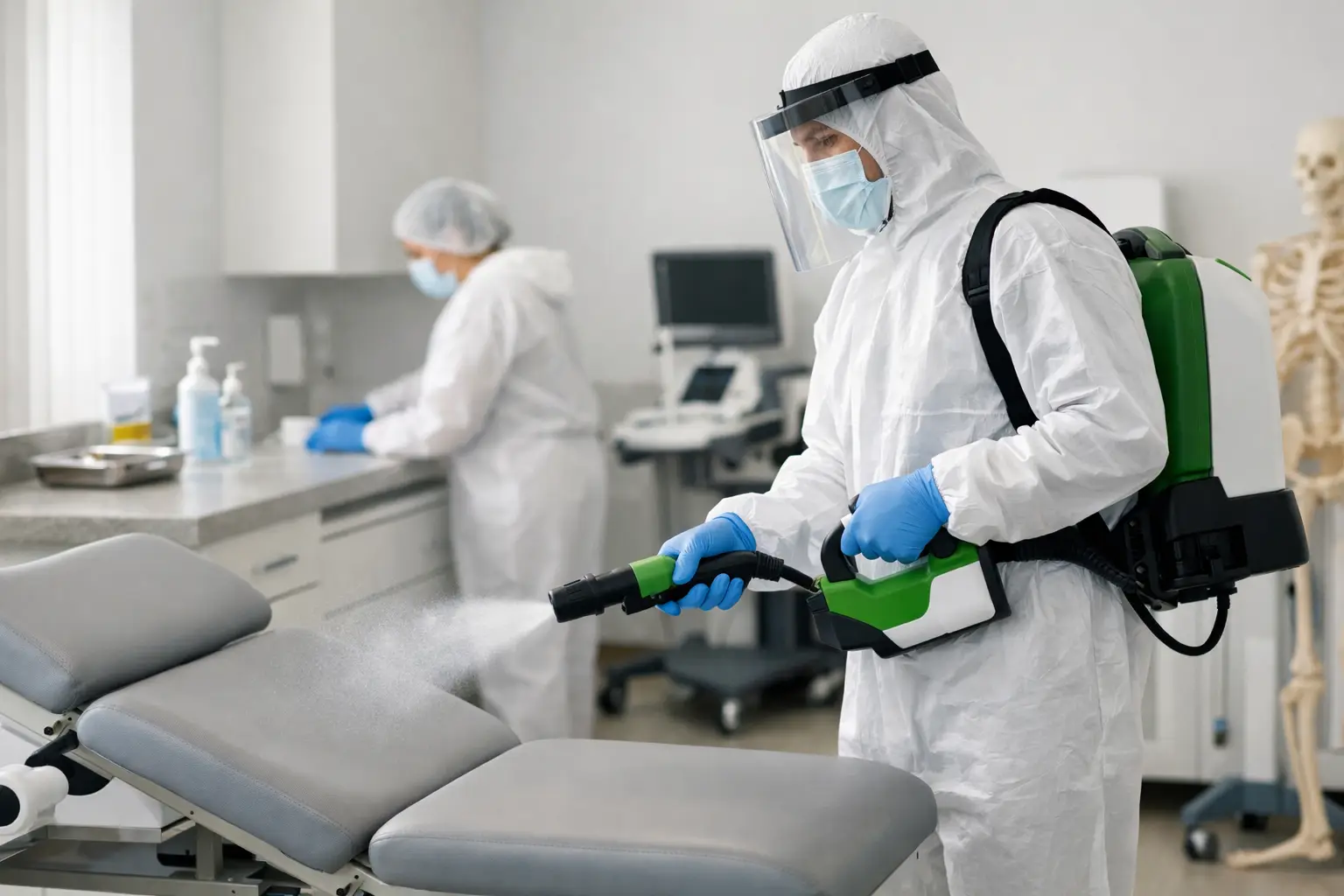
A waiting room can look clean and still leave patients uneasy. Fingerprints on the glass, smudges at the check-in counter, dust on vents, and inconsistent restroom care all send the same message - details are being missed. That is why medical office disinfection services matter far beyond appearance. For practice administrators, office managers, and facility leaders, the real issue is risk control, patient confidence, staff support, and making sure cleaning standards hold up every single visit.
In a medical setting, cleaning problems rarely stay small. A missed touchpoint in reception affects first impressions. An overlooked exam room surface creates concern for staff and patients. A trash issue in a restroom or clinical area can quickly become an operational distraction. When the cleaning vendor is inconsistent, your team ends up doing follow-up work, checking completed tasks, and chasing updates. That is time most practices do not have.
What medical office disinfection services should actually include
Not every medical facility needs the same scope, and that is where many cleaning programs go wrong. A small specialist office has different traffic patterns than a busy primary care clinic or dental practice. The right approach starts with the layout, patient volume, room usage, and the surfaces that are touched most often throughout the day.
Medical office disinfection services should focus on high-contact areas and repeatable routines. That usually includes reception counters, door handles, chairs, light switches, restrooms, breakrooms, exam room surfaces, and common staff touchpoints. Floors matter too, especially in entry areas where soil, moisture, and debris are tracked in from outside.
The key is not a vague promise to disinfect everything. It is a documented scope of work that defines what gets cleaned, how often, and how the work is checked. In a medical office, clarity matters. Without it, tasks get assumed, skipped, or handled differently from one visit to the next.
Why consistency matters more than occasional deep attention
Many office managers have had the same frustrating experience. The first few visits go well, then the details start slipping. Trash liners are not changed the same way. Restrooms vary from one night to the next. Dust shows up on ledges and vents. Touchpoints get rushed. Eventually, the practice is managing the cleaning company instead of the other way around.
In medical environments, inconsistency creates two problems at once. First, it affects how patients and staff experience the space. Second, it makes oversight harder because nobody is sure what standard to expect each time. A good cleaning plan should remove uncertainty, not add to it.
That is why documented routines, site-specific instructions, and regular quality inspections matter. They create accountability. They also make onboarding, retraining, and issue resolution much easier when something needs attention.
How to evaluate medical office disinfection services
If you are reviewing providers, it helps to look past general promises and ask how the work is managed. A strong vendor should be able to explain their process in practical terms.
Start with the scope. Ask whether the plan is customized to your practice or based on a generic checklist. Medical and dental offices have different room types, different schedules, and different cleaning priorities. The more specific the plan, the easier it is to maintain standards.
Then ask about communication. If an issue comes up, who responds, how quickly, and what happens next? Good communication is not just answering a complaint. It is proactive follow-up, clear reporting, and a process for confirming that corrections were made.
You should also ask how quality is inspected. Some companies clean on autopilot until a client raises a problem. Others build inspections into the service model. That difference matters. Problems found early are easier to correct, and your team should not have to serve as the quality control department.
Finally, ask how the provider handles staffing changes. Inconsistent results often trace back to poor transitions, unclear instructions, or a lack of documented expectations. A company with site-specific plans and accountability systems is usually better positioned to keep service steady even when personnel changes happen.
Common gaps in medical office cleaning programs
A medical office does not need the most complicated cleaning program. It needs one that covers the right details consistently. The most common gaps are usually operational, not dramatic.
One gap is overreliance on visual cleaning alone. A floor may look fine from the doorway while corners, edges, and under furniture collect buildup. Counters may appear wiped while high-touch touchpoints are rushed. Another gap is treating every room the same, even when usage patterns are different. Exam rooms, reception areas, restrooms, and staff spaces should not be approached with one flat routine.
Timing can also be a problem. Some offices need after-hours service. Others need a schedule that avoids disrupting patient flow, sensitive conversations, or staff tasks. If the cleaning schedule does not fit the way the office operates, even good cleaning work can feel disruptive.
Supply management is another issue that often gets overlooked. Restroom paper products, soap, liners, and other consumables need clear responsibility. When nobody owns that process, shortages show up at the worst possible time.
A site-specific plan makes the difference
The strongest medical office disinfection services are built around the facility, not around a generic sales script. A site walkthrough should identify traffic patterns, room functions, sensitive areas, and any recurring concerns you have already noticed. From there, the cleaning plan should spell out frequencies, task expectations, and checkpoints.
That matters in a busy New Jersey medical office where patient volume, weather, and staffing can all affect the space differently from week to week. Entry floors may need more attention during wet weather. Restrooms may need closer monitoring on high-volume days. Reception touchpoints may require extra attention during flu season or periods of elevated concern. A rigid one-size-fits-all plan usually breaks under real operating conditions.
A site-specific approach also helps with communication. When expectations are documented, it is easier to address issues clearly and quickly. Instead of saying the office does not feel as clean as it should, you can refer back to the actual service plan and identify what changed.
What decision-makers should expect from a cleaning partner
For office managers and practice administrators, the goal is not just a cleaner building. It is fewer surprises. You should know what is being done, when it is being done, and who is accountable if something is missed.
That is why the relationship side of cleaning matters just as much as the task list. A provider should communicate clearly, document the scope, inspect the work, and respond without making your team chase them down. If service concerns come up, the response should be direct and practical, not defensive.
This is where many facilities decide whether a vendor is helping or creating more work. A cleaning partner should reduce management burden. If your staff is constantly noticing the same missed details, restocking supplies themselves, or sending repeated follow-ups, the system is not working.
At CEECEE Commercial Cleaning, that operational side is part of The CEECEE Standard - documented scopes of work, site-specific plans, quality inspections, and proactive communication designed to keep expectations clear and service consistent.
Choosing medical office disinfection services with fewer headaches
The right provider is not always the one with the broadest promise. It is usually the one with the clearest plan. In medical environments, that means understanding your space, focusing on high-touch and high-traffic areas, and following a documented process that can be repeated consistently.
If you are comparing options, pay attention to how each company talks about accountability. Do they explain how work is verified? Do they adapt the scope to your office? Do they have a clear communication path when concerns come up? Those answers usually tell you more than a polished proposal.
A clean medical office supports confidence for patients, staff, and leadership. It helps protect first impressions, reduces distractions, and creates a more controlled environment day after day. If your current vendor is inconsistent or you are reviewing options for a new location, a walkthrough and customized proposal can clarify what your office actually needs and what a better cleaning program should look like.
If you want fewer cleaning surprises, start with a provider that is willing to define the standard in writing and stand behind it after the first visit.
Call (917) 837-6499 or email info@ceeceecleaning.com