Office Hygiene That Keeps Workplaces Running
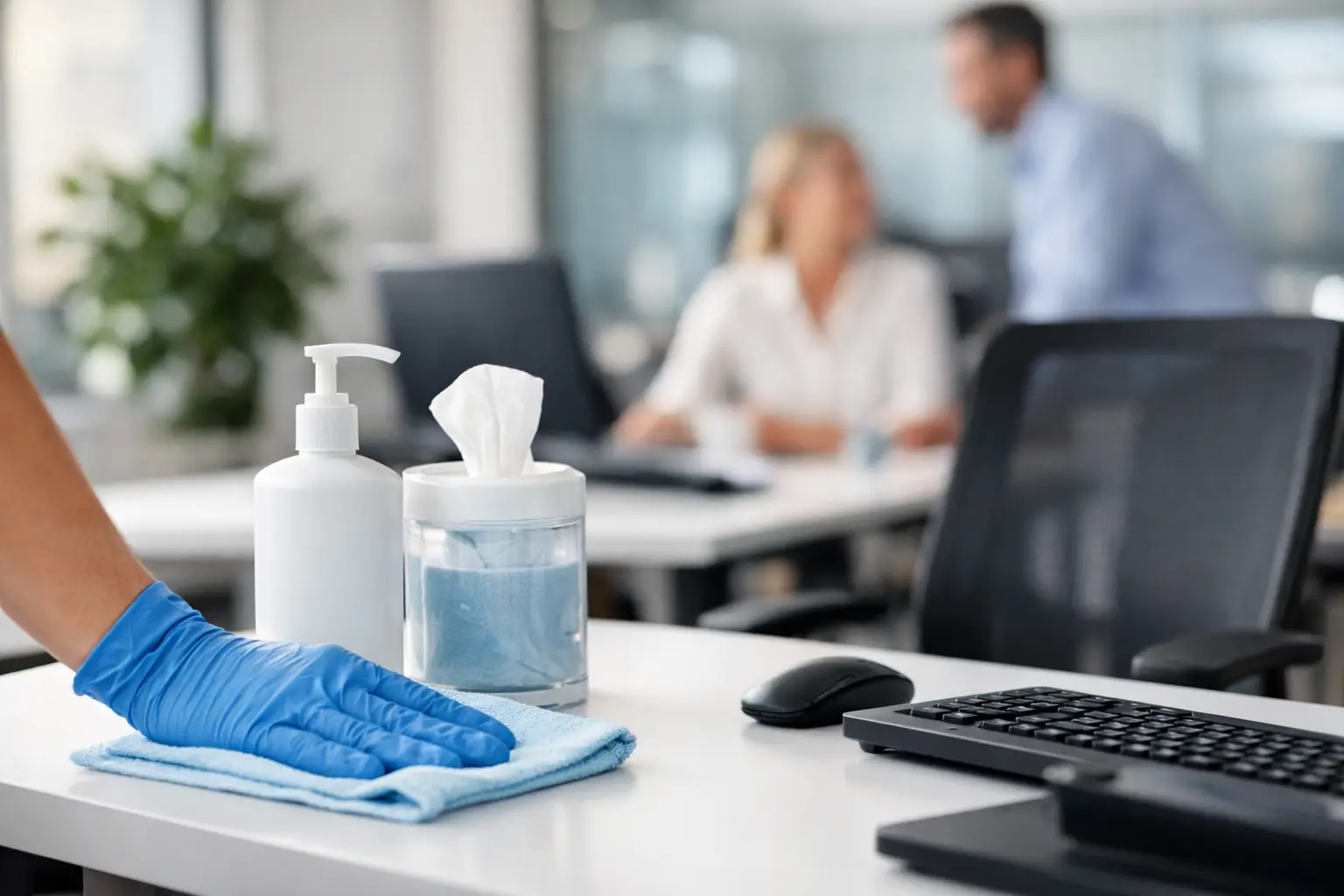
A restroom that runs out of soap at 10 a.m., fingerprints left on the front door, and overflowing break room trash may seem like small issues. To employees, visitors, and tenants, they signal that no one is paying attention. For an office manager, they also create avoidable complaints, interruptions, and time spent following up with a cleaning vendor.
Office hygiene is not simply about making a workplace look neat at the end of the day. It is the daily system of cleaning, replenishing, monitoring, and responding that keeps shared spaces sanitary, presentable, and ready for business. When that system is inconsistent, the problems show up quickly - usually in the places people use most.
Why Office Hygiene Is an Operations Issue
A clean-looking lobby matters, but workplace hygiene reaches much further. Employees touch door hardware, elevator buttons, shared printers, refrigerator handles, conference tables, and restroom fixtures throughout the day. Break rooms collect food debris, spills, and odors. Floors carry in moisture, grit, and de-icing residue during North Jersey winters.
If those details are missed repeatedly, the impact is practical. Staff lose confidence in the workplace, guests notice avoidable messes, and facility teams spend more time reporting problems than managing their actual responsibilities. In multi-tenant offices, cleanliness can also influence how tenants view property management.
The goal is not to treat every square foot the same way. A low-traffic storage room does not need the same attention as a reception area or a shared kitchenette. Good office hygiene starts by matching cleaning tasks and frequency to how a facility is actually used.
Build a Site-Specific Office Hygiene Plan
Generic checklists often fail because offices are not generic. One floor may have a high-volume reception desk and multiple conference rooms. Another may have few visitors but a busy employee kitchen. A cleaning plan should reflect those differences in writing.
Start with a walkthrough that identifies traffic patterns, touchpoints, service times, floor types, supply locations, and areas that require special attention. The resulting scope should be clear enough that a supervisor can verify what was completed without relying on assumptions.
A useful plan separates recurring work from periodic work. Recurring work includes the details that must be addressed at every service, such as trash removal, restroom cleaning, vacuuming, mopping, and wiping high-touch surfaces. Periodic work includes deeper carpet care, hard-floor maintenance, interior glass, detailed dusting, and other tasks scheduled monthly, quarterly, or as needed.
This distinction matters. If every task is presented as a daily expectation, the scope becomes unrealistic and the team may rush through the work. If periodic work is never scheduled, floors, carpet, and high-visibility surfaces gradually lose their appearance. The right frequency depends on occupancy, business hours, visitor volume, and the type of work performed in the office.
Focus on the spaces people notice first
Most complaints come from a predictable group of areas. These should be part of the regular quality check:
- Entry doors, glass, reception desks, and waiting areas
- Restrooms, including dispensers, partitions, fixtures, and floors
- Break rooms, coffee stations, microwaves, sinks, and refrigerator exteriors
- Conference rooms, shared workstations, and printer areas
- Hallways, stairwells, and floors near building entrances
The details are not minor. A streaked glass door or sticky break room counter can undermine an otherwise clean office because it is highly visible and frequently touched.
Cleaning and Disinfection Are Not the Same Task
Many facility teams use the words interchangeably, but cleaning and disinfection serve different purposes. Cleaning removes visible soil, dust, food residue, and grime from a surface. Disinfection uses an appropriate product and contact time to reduce germs on a cleaned surface.
For routine office environments, consistent cleaning of high-touch areas is the foundation. Disinfection needs may increase during illness concerns, after a confirmed exposure, or in spaces with heavier shared use. The product, surface type, and manufacturer directions all matter. Applying disinfectant to a dirty surface or wiping it away before the required contact time can reduce its effectiveness.
A capable commercial cleaning partner should be able to explain what is being cleaned, what is being disinfected, and how often. Clear language prevents a common problem: a service agreement that promises a broad result but does not define the process needed to deliver it.
The Break Room and Restroom Test
If you want a quick read on the state of office hygiene, check the break room and restrooms shortly before the end of the workday. These spaces reveal whether the cleaning plan accounts for real use rather than just an after-hours reset.
In a break room, look for full trash containers, crumbs around appliances, coffee spills, odor near the sink, and supplies that were not replenished. In restrooms, look for empty soap or towel dispensers, wet floors, overflowing receptacles, streaked mirrors, and neglected corners around fixtures.
Some conditions are caused during the day, after the cleaning crew has finished. That does not mean they should be ignored. It may mean the facility needs a daytime porter, an additional service visit, adjusted supply quantities, or clearer expectations for employees. The right answer depends on building occupancy and budget, but the problem should be identified rather than accepted as normal.
Use Accountability to Prevent Missed Details
A cleaning company should not need repeated reminders to address the same issue. When managers constantly send photos, restate instructions, or wait days for a response, the cleaning program is placing work back on the client.
Accountability begins with documented expectations, but it also requires follow-through. Supervisory inspections can catch issues that are easy to overlook during routine service: dust on ledges, buildup near baseboards, neglected chair legs, corners missed by vacuuming, or restroom dispensers that are low but not empty.
Communication should have a clear path as well. Facility managers need to know who receives requests, how urgent issues are handled, and when they can expect confirmation that a correction was made. A strong provider does not treat a complaint as a finished task once it is acknowledged. They confirm the resolution and look for the underlying cause.
That may involve retraining, changing the service sequence, revising the scope, or adjusting inspection points. The CEECEE Standard is built around this kind of visible accountability: define the work, inspect it, communicate clearly, and correct issues before they become recurring frustrations.
Keep Supplies and Floor Care in the Same Conversation
Office hygiene can break down when cleaning and consumable supplies are managed separately. A restroom may be cleaned correctly but still frustrate employees if it lacks soap, paper towels, or tissue. Similarly, entry floors may be vacuumed and mopped but still look worn if moisture and salt are tracked in every day without the right matting and maintenance schedule.
During a walkthrough, discuss who is responsible for ordering and replenishing supplies, where backstock is stored, and how shortages are reported. These simple details prevent last-minute surprises.
Floor care also deserves planning. Daily vacuuming and damp mopping protect appearance, but they do not replace periodic extraction, scrubbing, or refinishing. Carpet in a busy corridor and hard flooring in a reception area experience different wear. A site-specific schedule protects the investment in those surfaces while helping the office maintain a professional appearance between major services.
Review the Plan When the Office Changes
Cleaning programs should not remain fixed when the workplace changes. A growing team, new tenant, renovated suite, revised office schedule, or return to more in-person meetings can all alter cleaning needs. So can seasonal weather in Newark and throughout Essex County, when entryways require more frequent attention.
Review the scope at regular intervals and after meaningful changes in occupancy or operations. Ask practical questions: Are there new high-traffic areas? Are service times still appropriate? Have complaints shifted from one part of the office to another? Are periodic tasks being completed on schedule?
A brief review can prevent a service plan from becoming outdated. It also gives the cleaning team a chance to recommend changes based on what they see during inspections, rather than waiting for a problem to become obvious.
If your office is dealing with recurring restroom complaints, inconsistent break room cleaning, or details that get missed after every visit, schedule a free walkthrough with CEECEE Commercial Cleaning. A documented, site-specific plan gives you a clearer standard to manage and a cleaner workplace people can trust each day.
Call (917) 837-6499 or email info@ceeceecleaning.com