Office Sanitization After a Flu Outbreak
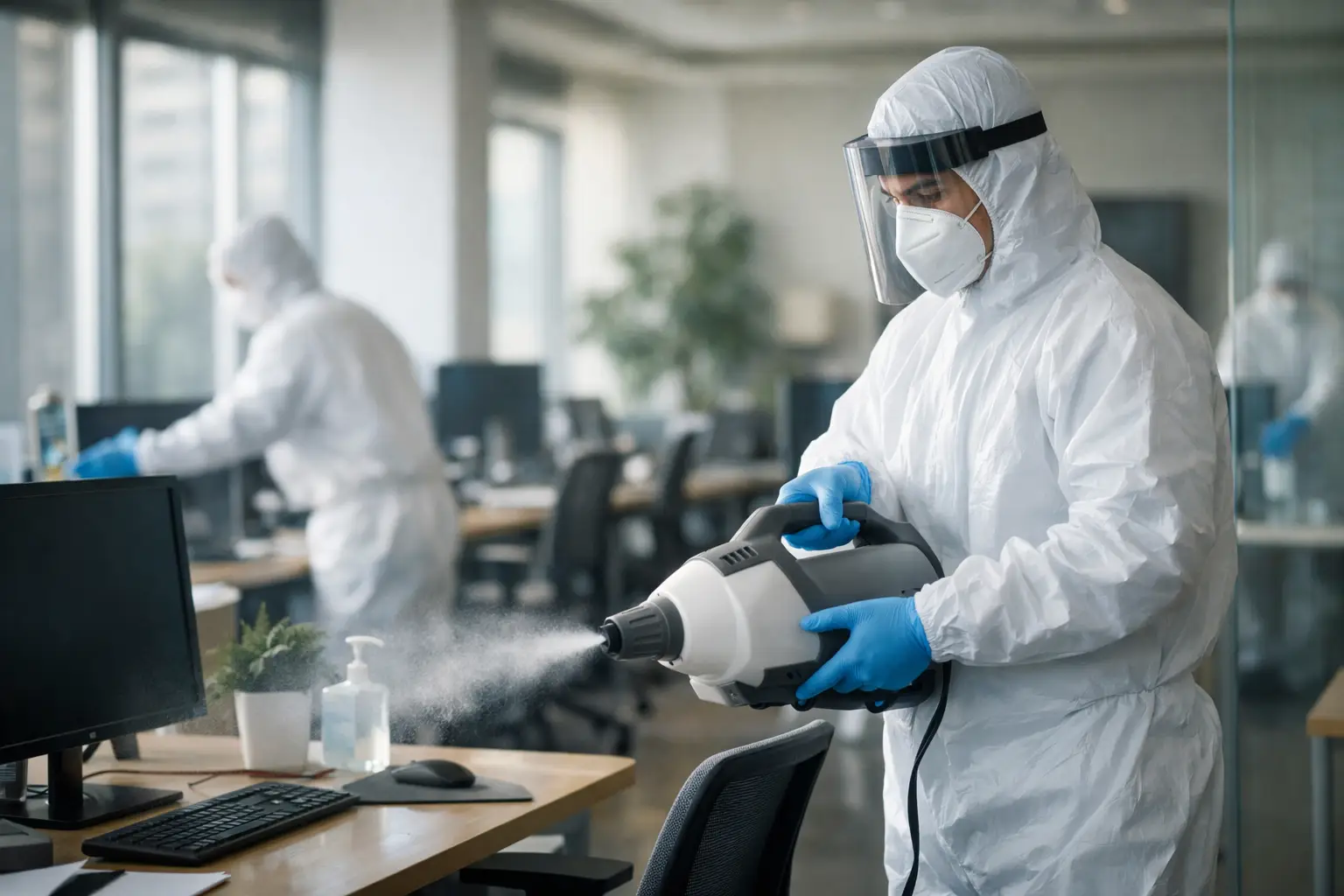
When several employees call out sick within the same week, an office can feel unsettled quickly. Staff may worry about shared desks, meeting rooms, restrooms, and break areas. Office sanitization after flu outbreak is not simply an extra cleaning visit. It is a focused response that helps reduce exposure on commonly touched surfaces, restores confidence, and gives management a clear plan for reopening shared spaces.
For office and facility managers, the challenge is usually not deciding whether to clean. It is making sure the response is organized, thorough, and documented. A rushed wipe-down can miss the very surfaces employees touch all day. A site-specific plan gives the cleaning team priorities, clear responsibilities, and a way to verify the work was completed.
Start With a Focused Facility Assessment
Before cleaning begins, identify where exposure may have occurred and which areas have the highest traffic. This does not require sharing private employee health information. The goal is to understand the facility pattern: which department had absences, which conference rooms were used, where employees gather, and what common areas see the most activity.
In a typical Newark or Essex County office, that assessment often includes reception, elevator buttons, door hardware, shared workstations, copier areas, restrooms, kitchens, and conference rooms. In multi-tenant buildings, it may also include suite entry points, shared corridors, and tenant-facing amenities.
A cleaning provider should ask practical questions before arriving. Were any spaces closed temporarily? Are there shared keyboards, phones, touchscreens, or training rooms? Is there a medical, dental, daycare, or other higher-sensitivity area that needs a separate protocol? Those details shape the work plan and prevent a generic response.
Sanitizing and Disinfecting Are Not the Same Task
These terms are often used interchangeably, but the distinction matters when a flu outbreak has affected the workplace. Sanitizing generally reduces germs on a surface to a safer level. Disinfecting uses an appropriate product and contact time to kill or inactivate a broader range of germs on hard, nonporous surfaces.
For a flu-related response, disinfecting high-touch hard surfaces is usually the priority. The product must be used according to its label instructions, including the required dwell or contact time. Spraying a surface and immediately wiping it dry may not provide the intended result.
That does not mean every surface in the facility should be treated identically. Carpeted areas, upholstered chairs, electronics, paper files, and specialty finishes require methods that will not cause damage. A qualified commercial cleaning team adjusts the process based on the material, traffic level, and use of each area.
High-touch surfaces deserve the closest attention
Flu viruses can spread when people touch contaminated surfaces and then touch their eyes, nose, or mouth. Cleaning teams should pay close attention to the details employees and visitors contact repeatedly throughout the day, including:
- Door handles, push plates, railings, and light switches
- Reception counters, pens, signature pads, and visitor seating arms
- Shared phones, keyboards, mice, touchscreens, and copier controls
- Break room tables, refrigerator handles, microwave buttons, and coffee equipment
- Restroom fixtures, stall latches, faucets, dispensers, and hand dryers
- Conference room tables, chair arms, remotes, and presentation controls
The list should be adjusted for the building. A gym needs attention on equipment grips and locker room surfaces. An auto dealership may need disinfecting at service counters, vehicle keys, customer lounge tables, and shared sales workstations. The right scope follows how people actually use the facility.
Follow the Right Cleaning Sequence
Effective outbreak response is methodical. Cleaning should come before disinfection when surfaces are visibly soiled. Dirt, food residue, and other debris can interfere with a disinfectant's performance, so the surface needs to be cleaned before the disinfectant is applied.
Teams should also move from cleaner areas toward more heavily used areas and avoid carrying contamination from one room to another. Fresh microfiber cloths, properly managed mop heads, and color-coded tools can help separate restroom work from desk, kitchen, and reception tasks. Reusing the same cloth across multiple spaces without changing or managing it correctly defeats the purpose of a detailed response.
A documented scope of work is especially useful here. It tells the team which rooms require service, which touchpoints must be addressed, which products are approved, and how completion will be checked. It also gives the facility manager something more useful than a verbal assurance that the office was cleaned.
Do Not Forget Shared Work Areas
Private offices and individual workstations require a different approach than common areas. Employees may have confidential documents, personal items, or sensitive equipment on their desks. Cleaning crews should not move papers or touch personal belongings unless the client has established clear instructions.
A practical solution is to coordinate with employees before service. Ask them to clear shared equipment and desk surfaces that need disinfecting, or establish a workstation policy for outbreak periods. This makes cleaning more complete without creating concerns about privacy or damaged materials.
For hot-desking environments, shared stations should be included in the routine cleaning plan, not treated as an occasional extra. The more people use the same keyboard, chair arms, desk controls, and monitor stands, the more valuable a consistent touchpoint protocol becomes.
Increase Service Frequency for a Limited Period
One thorough response is valuable, but it may not be enough if illness-related absences continue. The right frequency depends on the size of the facility, number of occupants, type of business, and amount of shared equipment.
A small office with mostly private workspaces may need an immediate detailed disinfection followed by closer attention to common areas during regular cleaning visits. A busy corporate office, medical practice, daycare, or multi-tenant property may benefit from daytime porter service or additional touchpoint cleaning for a defined period.
The key is to avoid treating added service as an open-ended expense without a plan. Establish a review point. For example, management may increase cleaning of restrooms, break rooms, reception, and shared equipment for two weeks, then reassess based on occupancy and employee absences. Clear communication helps everyone understand what is being done and why.
Verify the Work Instead of Assuming It Happened
During a flu outbreak, missed details can create frustration fast. If an employee sees fingerprints on a conference room table or an empty sanitizer dispenser after a stated response, confidence drops. Quality checks are not paperwork for its own sake. They are how a facility manager knows the cleaning plan is being followed.
A dependable commercial cleaning partner should provide clear communication around the response, including the scheduled service, affected areas, special instructions, and follow-up needs. Supervisory inspections and documented checklists help catch issues before they become repeat complaints.
At CEECEE Commercial Cleaning, The CEECEE Standard centers on site-specific scopes, accountability, and quality follow-up. For a facility dealing with a flu outbreak, that means building the response around the actual layout and traffic patterns of the office, not applying the same checklist to every property.
Support Cleaning With Simple Workplace Practices
Cleaning is one part of a broader workplace response. Managers can help reduce repeat exposure by making hand soap, paper towels, tissues, and waste receptacles easy to access. Hand sanitizer can be useful in high-traffic areas, but it should support regular handwashing rather than replace it.
Encourage employees to stay home when they are sick, follow company policies for returning to work, and wipe down shared equipment after use when supplies are provided. Facilities should also check restroom and break room consumables more often during an outbreak. Empty soap dispensers or overflowing trash can undermine even a well-executed cleaning plan.
The goal is not to create alarm. It is to show employees, visitors, and tenants that the facility is being managed responsibly. A calm, visible response can protect daily operations and make people more comfortable using shared spaces again.
If your North Jersey office needs a documented response after employee illness, schedule a free walkthrough with CEECEE Commercial Cleaning. A customized plan can address the areas people actually touch, establish follow-up service where needed, and give your team a clear standard for the days ahead.
Call (917) 837-6499 or email info@ceeceecleaning.com