Recurring Office Cleaning Services That Hold Up
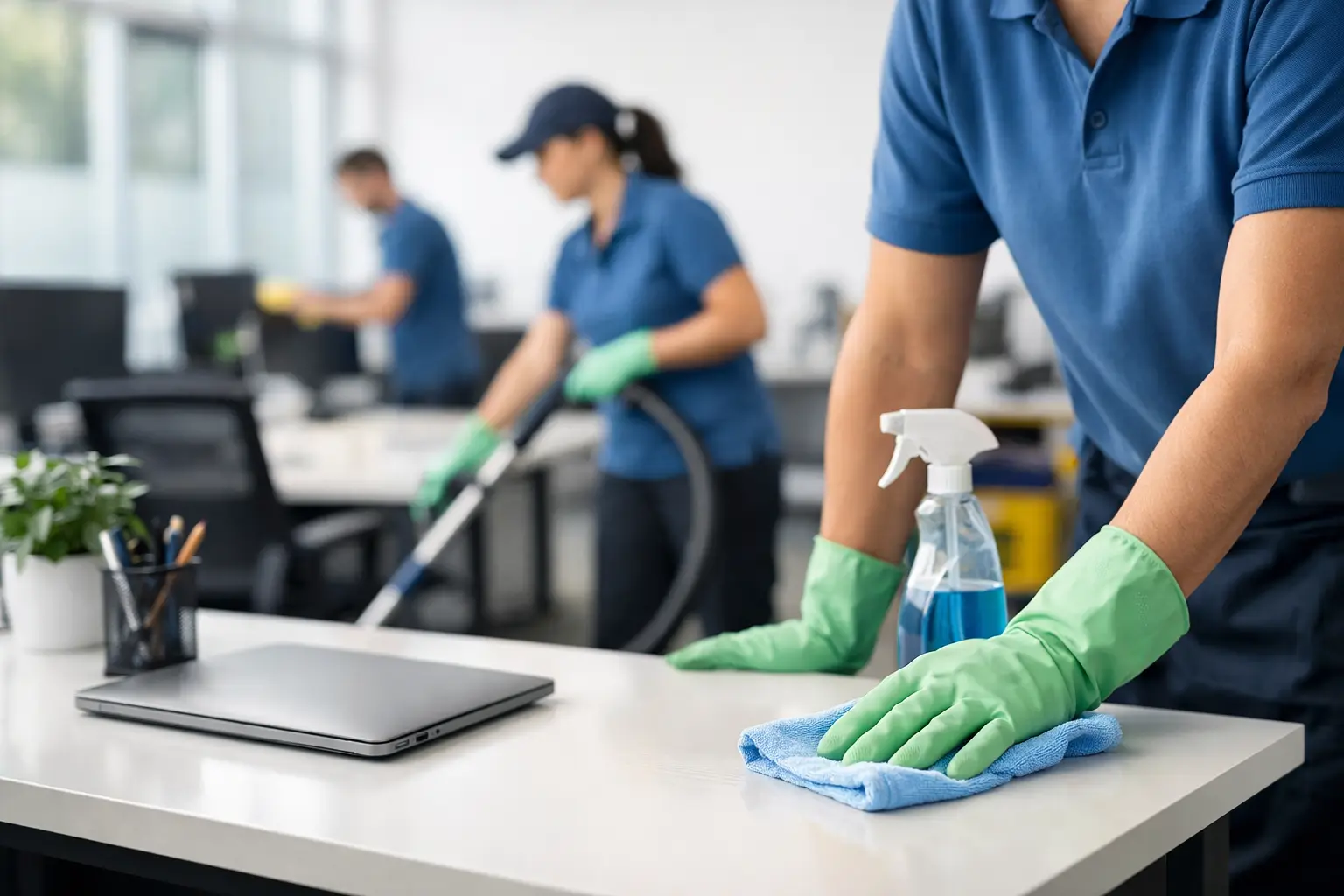
If you are still fielding complaints about dusty desks, streaky glass, or restrooms that look fine one day and neglected the next, the issue is usually not cleaning alone. It is inconsistency. Recurring office cleaning services are supposed to remove that burden from your day, not create another vendor relationship you have to monitor.
For office managers, facility managers, property managers, and business owners, the real cost of poor cleaning is not limited to appearance. It shows up in employee frustration, tenant complaints, awkward client visits, and time lost chasing down missed details. A cleaning program should protect first impressions and support daily operations without needing constant follow-up.
What recurring office cleaning services should actually deliver
A recurring service schedule can mean nightly, several times per week, or a customized plan based on traffic, headcount, layout, and building use. The right frequency depends on the facility. A quiet administrative office may not need the same visit pattern as a medical office, multi-tenant property, or client-facing corporate suite.
What should stay consistent is the standard. Trash should be handled the same way every visit. Restrooms should be stocked and cleaned to the same level. Floors should not look excellent after one service and neglected after the next. High-touch surfaces, breakrooms, entry glass, and shared spaces should follow a documented scope, not a different interpretation from one cleaner to another.
That is where many problems begin. A company may promise regular service, but without a site-specific plan, clear task assignment, and quality checks, recurring service becomes recurring guesswork.
Why offices struggle with inconsistent cleaning
Most cleaning problems are operational problems. When details are missed repeatedly, there is usually a gap in communication, oversight, or documentation.
One common issue is a vague scope of work. If a team is told to "clean the office" without a room-by-room plan, expectations drift quickly. Another issue is turnover without proper handoff. A new crew member may not know that the executive conference room needs special attention before Monday meetings or that one restroom gets heavier afternoon traffic than the others.
Scheduling can also work against consistency. If service times shift without notice, building access, alarm procedures, or after-hours coordination can become messy. In shared buildings, even small communication failures can affect tenants and building staff.
The result is familiar to many managers: you notice patterns, report them, see temporary improvement, and then watch the same issues return. That cycle is exactly what recurring office cleaning services should prevent.
How to evaluate recurring office cleaning services
If you are comparing providers, look beyond the task list. Most companies can describe what they clean. Fewer can explain how they keep cleaning standards steady across weeks and months.
Start with the scope of work. It should be documented, easy to review, and specific to your site. General promises are not enough. You want to know what happens in offices, restrooms, kitchens, lobbies, conference rooms, and touchpoint-heavy areas. You also want clarity on what is handled every visit, weekly, monthly, or on a separate floor care schedule.
Then ask how communication works. If a problem comes up, who receives it, how is it tracked, and when should you expect a response? Good communication is not just friendliness. It is a process. That matters even more in facilities where image, sanitation, and occupancy are closely watched.
Accountability is the next piece. Ask whether inspections are performed and how quality is verified. A company that relies only on complaints to identify issues is already behind. Proactive follow-up tells you a lot about how the account will be managed after the initial walkthrough.
The role of a site-specific cleaning plan
No two offices operate exactly the same way, even when they look similar on paper. One office may have a small headcount but constant client traffic. Another may have a large team with rotating schedules and heavy breakroom use. A good recurring plan reflects how the space is actually used.
A site-specific cleaning plan should account for traffic patterns, sensitive areas, occupancy schedules, supply expectations, and floor types. It should also note areas that affect perception quickly, such as lobby glass, reception counters, conference spaces, and restrooms. These are often the first places employees and visitors notice when standards slip.
This is also where trade-offs come into play. Some facilities want a leaner visit schedule and are comfortable prioritizing essential tasks during each service. Others need a more detailed nightly approach because the cost of a poor first impression is too high. Neither approach is automatically wrong. The key is aligning the plan with the building’s real demands and reviewing it as those demands change.
Recurring office cleaning services and business image
Cleanliness is part of how people judge whether a business is organized, attentive, and well run. That judgment happens fast. It starts at the entrance, continues through the reception area, and becomes more pointed in restrooms, meeting rooms, and shared spaces.
For offices that host clients, candidates, tenants, patients, or members of the public, cleaning is tied directly to brand perception. If fingerprints stay on entry glass, restroom supplies run low, or floors show neglect, people notice. They may never mention it directly, but it shapes their impression of the operation.
For internal teams, the impact is different but just as real. Employees expect common areas to be maintained consistently. When they are not, frustration often lands on office management first. That is why recurring service is not just a maintenance decision. It is an operational decision tied to experience, morale, and trust.
What a well-managed cleaning partnership looks like
A good cleaning partnership does not require constant policing. You should not have to re-explain the same expectations every month. You should not be wondering whether the team knows your access procedures, event schedule, or problem areas.
In a well-managed account, there is a documented scope, clear communication, and regular oversight. Issues are addressed directly. Adjustments are made when occupancy changes, seasonal traffic increases, or certain areas need more attention. The service evolves with the facility instead of falling behind it.
This is where standards matter. CEECEE Commercial Cleaning refers to this as The CEECEE Standard - a focus on consistency, communication, accountability, documented scopes of work, and quality inspections that support the same level of care from visit to visit. That structure is often what separates a manageable cleaning program from one that creates more work for the client.
Questions worth asking before you commit
Before choosing a provider, ask practical questions that reveal how the account will actually be run. Ask how the scope is documented and updated. Ask how inspections are handled. Ask what happens when a detail is missed or building needs change. Ask whether you will have a clear point of contact and how after-hours communication is managed.
You should also ask how they approach facilities like yours. A general office suite, a medical office, and a multi-tenant property each have different pressure points. The more clearly a company can speak to those operational differences, the more confidence you can have that the service plan will fit the space.
For businesses in Newark and surrounding North Jersey communities, this matters even more in busy, high-traffic environments where cleaning issues become visible quickly. A polished space does not happen by accident. It happens because the work is planned, checked, and communicated well.
Recurring office cleaning services work best when they reduce your workload, protect your facility’s image, and create fewer surprises. If your current setup still depends on reminders, follow-ups, and repeat complaints, it may be time for a better system. Schedule a free walkthrough and request a customized proposal built around your facility, your traffic patterns, and the standard you want to maintain.
Call (917) 837-6499 or email info@ceeceecleaning.com