Top Cleaning Priorities for Medical Practices
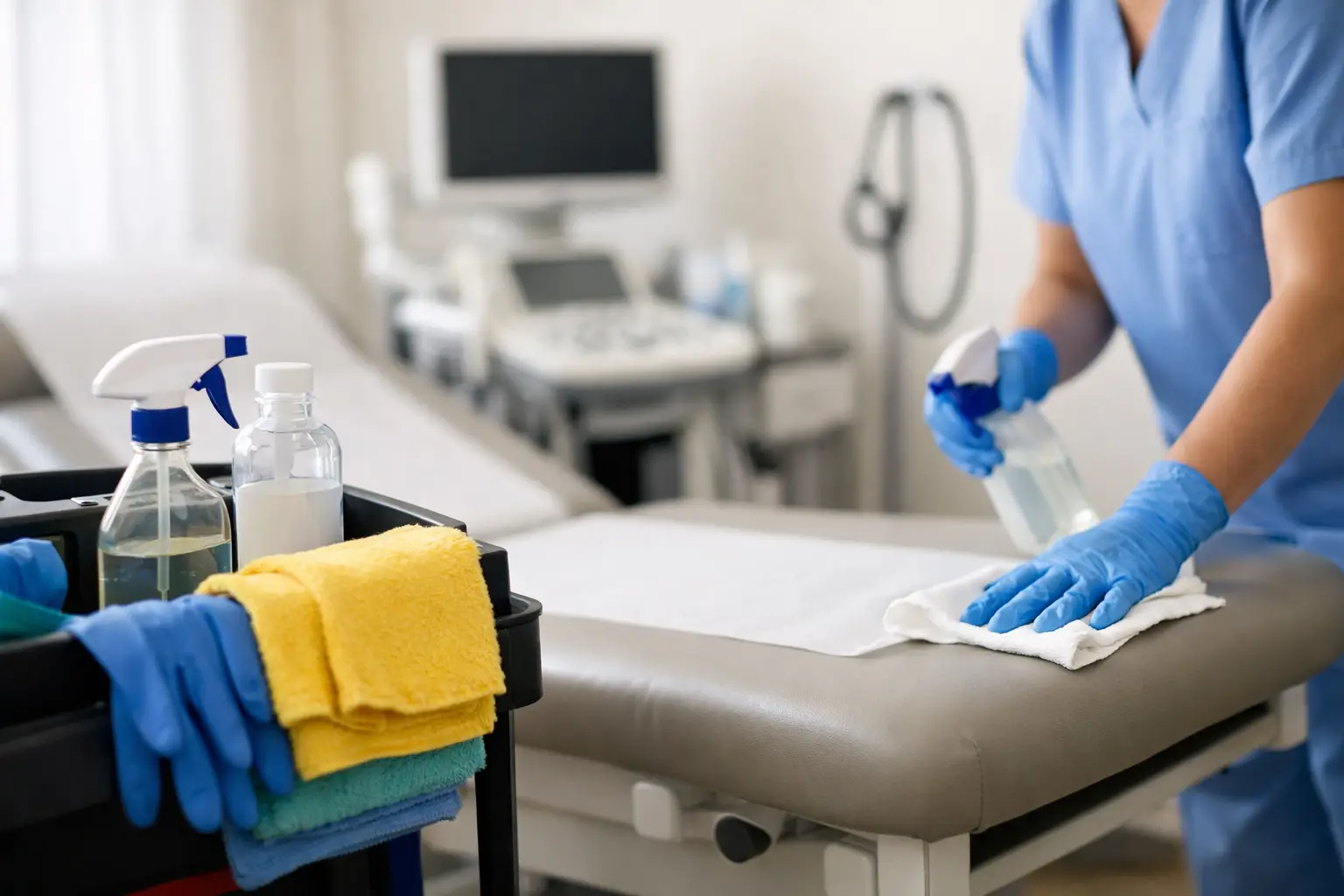
A patient may not know whether a practice’s cleaning plan is documented, whether staff completed a quality inspection, or when a restroom was last checked. They will notice a smudged entry door, an overflowing trash can, residue on a counter, or a waiting room floor that looks neglected. Those details shape confidence before the appointment even begins. That is why the top cleaning priorities for medical practices should focus on visible presentation, high-touch surfaces, safety, and a consistent process that does not leave practice staff chasing a vendor.
Medical and dental offices have different traffic patterns, rooms, and operating hours. A family practice with a busy waiting room has different needs than a specialty office with a small reception area and frequent room turnover. The right plan is not a generic checklist. It is a site-specific scope that identifies what must be cleaned, how often it needs attention, who verifies the work, and how concerns are reported and resolved.
Start With the Patient Experience
The public-facing areas of a medical practice carry an outsized share of first impressions. Entryways, reception counters, waiting rooms, restrooms, and glass doors should receive close attention because patients, visitors, and staff encounter them repeatedly throughout the day.
A clean waiting room is more than vacuumed carpet and empty trash cans. Seating should be free of visible debris, tables should be wiped, and corners should not collect dust or discarded paperwork. Reception areas need careful cleaning around equipment, signage, and transaction points without disrupting important materials. Glass at the entrance and reception window should be free of fingerprints and streaks, especially in daylight when marks are more visible.
Restrooms deserve the same level of attention. A restroom can quickly undermine an otherwise orderly facility when dispensers are empty, fixtures show buildup, or floors are damp and dirty. Cleaning crews should follow a defined restroom sequence, replenish agreed supplies when included in the scope, and report maintenance concerns such as leaks, damaged dispensers, or loose fixtures promptly.
For higher-volume offices, evening service alone may not be enough. A daytime porter or scheduled daytime touch-up can make sense when restrooms, waiting areas, or entrances need attention between full cleaning visits. The right frequency depends on patient volume, weather, office hours, and the number of staff and visitors using the space.
Prioritize High-Touch Surfaces With a Clear Process
High-touch points are among the most practical cleaning priorities in medical offices because they are handled constantly. Door handles, light switches, reception counters, chair arms, elevator buttons, faucet handles, and restroom dispensers all need regular attention.
Cleaning and disinfecting are related but different tasks. Cleaning removes visible soil and residue. Disinfecting involves using a product according to its labeled instructions, including required contact time. A practice should make sure its cleaning provider understands the difference and follows the site’s approved procedures, particularly for patient-facing common areas.
The details matter. Applying a disinfectant and immediately wiping it dry may not meet the product instructions. Using the same cloth across unrelated areas can create avoidable concerns. A trained crew should use appropriate tools, follow color-coding or area-separation procedures where required, and change materials often enough to prevent cross-contamination.
Clinical spaces may also have requirements that differ from ordinary office areas. The practice should clearly define which rooms and surfaces the janitorial team handles, which are handled by clinical staff, and which tasks require specific protocols. This avoids assumptions and prevents important work from falling between teams.
Keep Exam Rooms, Operatories, and Back Offices Clearly Defined
Exam rooms, treatment rooms, and dental operatories require clear responsibility boundaries. In many practices, clinical staff perform room turnover and address patient-care equipment according to internal protocols. A commercial cleaning team may handle floors, trash, nonclinical surfaces, restrooms, break rooms, and common spaces during scheduled service.
There is no one-size-fits-all division of labor. What matters is that the scope is written down and understood by both sides. If a cleaning team is expected to clean a room after hours, the practice should specify accessible surfaces, room access rules, materials that should not be moved, and any items that must be reported rather than handled.
Back-office areas should not be ignored simply because patients do not see them. Staff break rooms, administrative workstations, storage areas, and employee restrooms can become cluttered or overlooked when the focus stays entirely on reception and clinical rooms. A well-maintained staff space supports morale and helps the entire practice feel more organized.
Protect Floors at the Entrance and Throughout the Practice
Floors carry in moisture, salt, dirt, leaves, and debris from outside. In northern New Jersey, wet weather and winter conditions can make entrance maintenance especially demanding. A floor that looks dull or slippery creates both a presentation issue and a potential safety concern.
The entry should have an effective matting plan, with mats positioned and maintained to capture soil before it reaches interior flooring. Vacuuming, mopping, and spot cleaning should follow the type of flooring in each area. Hard surfaces may need periodic machine scrubbing or refinishing, while carpeted waiting rooms and corridors benefit from scheduled extraction or low-moisture cleaning based on traffic and soil levels.
Frequency should be based on use, not guesswork. A quiet specialist office may need less frequent floor care than a multi-provider practice with a high daily patient count. During rainy periods, a practice may need additional spot mopping and entrance checks to keep conditions presentable and safe.
Manage Waste Carefully and Know the Boundaries
Routine waste removal is a core janitorial task, but medical practices must clearly separate ordinary office waste from materials that require specialized handling. The cleaning team should know which containers are routine trash, which areas are off-limits, and whom to notify if something is improperly placed or appears concerning.
A documented waste process reduces uncertainty. It should identify pickup points, liner replacement expectations, storage-area access, and escalation steps. If a practice uses confidential-paper bins, sharps containers, or regulated waste containers, those should be handled only by the appropriate designated personnel or service provider.
This is another reason communication matters. A crew should not have to make assumptions about unfamiliar containers, and a practice should not have to discover an issue after the fact. Quick reporting protects the facility and gives management a chance to address concerns before they become larger problems.
Make Consistency Measurable
The biggest frustration for many practice administrators is not a single missed detail. It is the uncertainty of never knowing whether the same standard will be delivered from one visit to the next. A strong cleaning program makes expectations visible and accountability routine.
Start with a documented scope of work organized by area and frequency. Daily tasks might include trash removal, restroom cleaning, vacuuming, mopping, and high-touch surface attention. Weekly or periodic tasks may include detailed dusting, interior glass, baseboards, carpet care, and floor maintenance. The scope should also state what is not included, so there is no confusion when a special request arises.
Quality inspections are equally useful. An inspection should look beyond whether a task was technically completed. It should assess appearance, missed corners, supply conditions, odors, floor condition, and any maintenance issues that need to be reported. When concerns are found, the follow-up process should be clear: document the issue, communicate it promptly, correct it, and confirm completion.
At CEECEE Commercial Cleaning, this approach is part of The CEECEE Standard: site-specific plans, clear communication, documented expectations, and quality checks that make the work easier to manage. For a medical practice, that structure helps keep cleaning from becoming another daily administrative burden.
Ask the Right Questions During a Walkthrough
A productive walkthrough should uncover the operational details that a square-foot estimate misses. Discuss patient traffic, after-hours access, room types, floor materials, restroom use, trash locations, supply responsibilities, and any areas requiring special instructions. Also ask how missed items are reported, who receives updates, and how quickly the provider responds when the practice’s needs change.
The goal is not to create the longest checklist. It is to create a realistic plan that matches the facility. A practice with frequent patient turnover may need more attention on touchpoints and restrooms. A larger suite with carpeted corridors may need a stronger periodic floor-care schedule. A dental office may need especially clear separation between clinical responsibilities and after-hours janitorial work.
A well-run medical practice has enough moving parts already. Cleaning should support patient confidence, staff readiness, and a well-managed facility without requiring constant reminders. If your Newark-area medical or dental office needs a clearer plan, schedule a walkthrough with CEECEE Commercial Cleaning and request a customized proposal built around how your practice actually operates.
Call (917) 837-6499 or email info@ceeceecleaning.com