Top Post Construction Cleanup Priorities
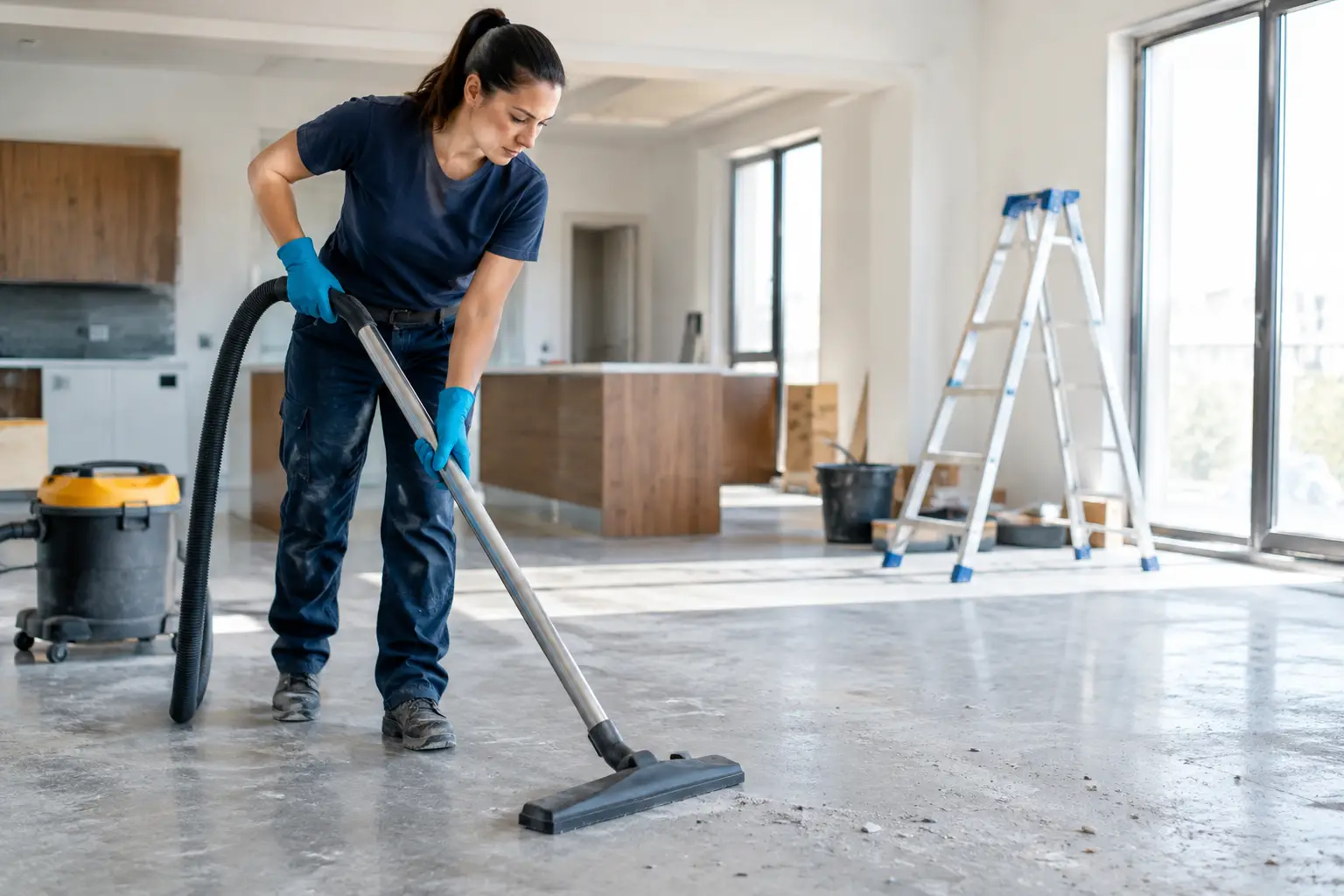
Construction may be complete, but a facility is not ready for employees, tenants, patients, or customers just because the trades have left. The top post construction cleanup priorities are the details that turn a dusty jobsite into a safe, presentable commercial space and prevent a frustrating final handoff.
For a property manager or facility manager, this stage often comes with a fixed opening date, punch-list activity, and several parties still moving through the building. Dust settles after every touch-up. Floors can be damaged by the wrong product. A missed adhesive mark or dirty restroom can undermine an otherwise excellent renovation. Post-construction cleanup needs a clear sequence, documented expectations, and a final inspection that reflects how the space will actually be used.
Start With Safety and Site Readiness
Before detailed cleaning begins, the site should be ready for a cleaning crew to work efficiently and safely. That means confirming that major construction is finished, utilities are functioning, walkways are accessible, and loose materials or sharp debris have been removed by the appropriate trade.
This distinction matters. A commercial cleaning team can remove construction dust, residue, protective films, and discarded light debris. It should not be expected to handle active construction hazards, unsecured electrical work, chemical spills, or debris that requires specialized disposal. Clear boundaries protect everyone and prevent delays caused by work being performed out of sequence.
A walkthrough should identify areas that need special attention, including unfinished punch-list zones, wet paint, newly installed flooring, glass partitions, restrooms, elevators, stairwells, and loading areas. It is also the time to confirm access procedures, alarm requirements, loading dock rules, and where waste can be staged. In a multi-tenant property, coordination is especially important so cleanup activity does not interfere with tenant operations or building traffic.
Remove Dust From the Top Down
Construction dust is the issue most people notice first, and it is rarely confined to obvious surfaces. Fine particles settle on ceiling vents, light fixtures, door frames, baseboards, window tracks, cabinet interiors, and the tops of partitions. If cleaners start with the floors, dust from higher surfaces will simply fall back onto them.
The practical order is top down: high dusting first, then vertical surfaces and fixtures, then counters and furnishings, and finally floors. Vacuuming with appropriate filtration and damp-wiping methods helps capture dust rather than sending it back into the air. Dry sweeping can be counterproductive in many finished spaces because it redistributes fine particles.
This is particularly important in medical and dental offices, daycares, gyms, and other facilities where occupants are close to surfaces throughout the day. A space may look clean under normal lighting while dust remains in vents, corners, and tracks. Final cleaning should include close visual checks, not just a quick pass through the main rooms.
Protect Newly Finished Materials
New surfaces can be vulnerable. Flooring, stone, glass, metal fixtures, millwork, and painted walls may each require a different cleaning method. Strong chemicals, abrasive pads, or excess water can cause damage that becomes apparent only after the building opens.
Cleaning teams should know what materials were installed and review manufacturer care instructions when they are available. For example, adhesive residue on glass or floors may need a specific remover and a controlled test area. Newly sealed floors may need curing time before they can be cleaned or walked on heavily. The fastest method is not always the right method when replacement costs are high.
Prioritize Restrooms, Break Areas, and Touchpoints
A newly renovated restroom with dust on fixtures, fingerprints on partitions, and debris in corners does not feel finished. The same is true of break rooms, reception counters, conference rooms, and entry doors. These are the spaces employees and visitors judge first because they are used immediately and repeatedly.
Post-construction cleaning should address the visible details: fixtures, dispensers, mirrors, partitions, sinks, toilet bases, grout lines, cabinet interiors, and floor edges. In kitchens and break areas, crews should remove dust from inside cabinets, on shelving, around appliances, and from backsplashes before the space is stocked.
High-touch points need their own check. Door hardware, elevator buttons, light switches, handrails, reception surfaces, and shared equipment may have dust, fingerprints, tape residue, or protective film left behind. Cleaning and disinfecting are different tasks, so the scope should specify where disinfection is required based on the facility's use and occupancy plan.
Make Floors a Final-Clean Focus
Floors carry the evidence of every contractor who worked in the space. Fine drywall dust, paint specks, caulk, grout haze, tape, wheel marks, and tracked-in dirt can all remain after a project appears complete. Floor cleanup is not one task. It depends on the surface and the type of residue left behind.
Hard floors should be inspected for adhesive, paint, scuffs, and construction film before routine mopping begins. Carpeted areas need thorough vacuuming, edge work, and spot treatment where appropriate. Some projects call for carpet extraction, but timing matters. If trades are still entering the area, deep carpet cleaning too early can create repeat work.
Entryways deserve added attention because they set the tone for the facility and receive immediate foot traffic. In North Jersey, rain, snow, and road grit can quickly compromise a newly cleaned lobby floor. A practical opening plan includes entrance matting, routine maintenance, and a clear responsibility for checking conditions during the first weeks of occupancy.
Verify Windows, Glass, and Interior Details
Glass is unforgiving. Smears, stickers, paint flecks, and leftover protective film are easy to spot in daylight, especially around storefronts, conference rooms, and interior partitions. Cleaning glass well requires more than making it look clear from one angle. Crews should inspect both sides, the edges, tracks, frames, and nearby ledges.
The same standard applies to smaller finish details. Check outlet covers, vents, door frames, baseboards, closet shelves, cabinet drawers, and corners behind doors. These details are often missed because they are not central to construction work, yet they strongly influence whether a facility feels complete.
A useful question during final inspection is simple: if a client, employee, or prospective tenant stood here for five minutes, what would they notice? That perspective catches the overlooked dust line, streaked window, or residue around a newly installed fixture.
Document the Scope and Final Inspection
The strongest post-construction cleanup plans do not rely on verbal instructions alone. A documented scope establishes which rooms are included, what level of cleaning is expected, which surfaces require special care, and what happens if construction activity continues after the initial cleaning.
This is where expectations prevent conflict. A one-time final clean is different from recurring janitorial service, and it may not cover re-cleaning after additional contractor work, removing construction materials, or correcting workmanship issues. A written plan makes those distinctions clear before crews arrive.
Quality checks should be tied to the actual site. For an office, that may include workstations, reception, restrooms, glass, and floor appearance. For a medical practice, it may emphasize treatment rooms, waiting areas, touchpoints, and dust control. For a dealership, showroom glass, vehicle-delivery areas, and polished floors may take priority.
At CEECEE Commercial Cleaning, the goal is not simply to make a construction site look better for a handoff. The CEECEE Standard is built around a site-specific scope, clear communication, and inspections that help facility teams move into the next phase with fewer surprises.
Plan the First Weeks After Opening
Post-construction cleanup is the handoff, not the entire maintenance plan. New facilities often need more attention during the first few weeks because dust can continue to settle, staff may still be unpacking, and outside traffic can quickly mark new floors and glass.
A short-term cleaning plan can account for these conditions. It may include more frequent floor care in entrances, additional restroom checks, spot cleaning of glass and touchpoints, and a follow-up visit after final contractors leave. The right frequency depends on occupancy, weather, operating hours, and the type of facility.
If you are preparing a commercial space in Newark or the surrounding North Jersey area for opening, schedule a free walkthrough with CEECEE Commercial Cleaning and request a customized post-construction cleanup proposal. A careful final clean gives your team a better starting point, and it lets the finished space make the impression the project was meant to deliver.
Call (917) 837-6499 or email info@ceeceecleaning.com