What Does Office Cleaning Include? A Clear Scope
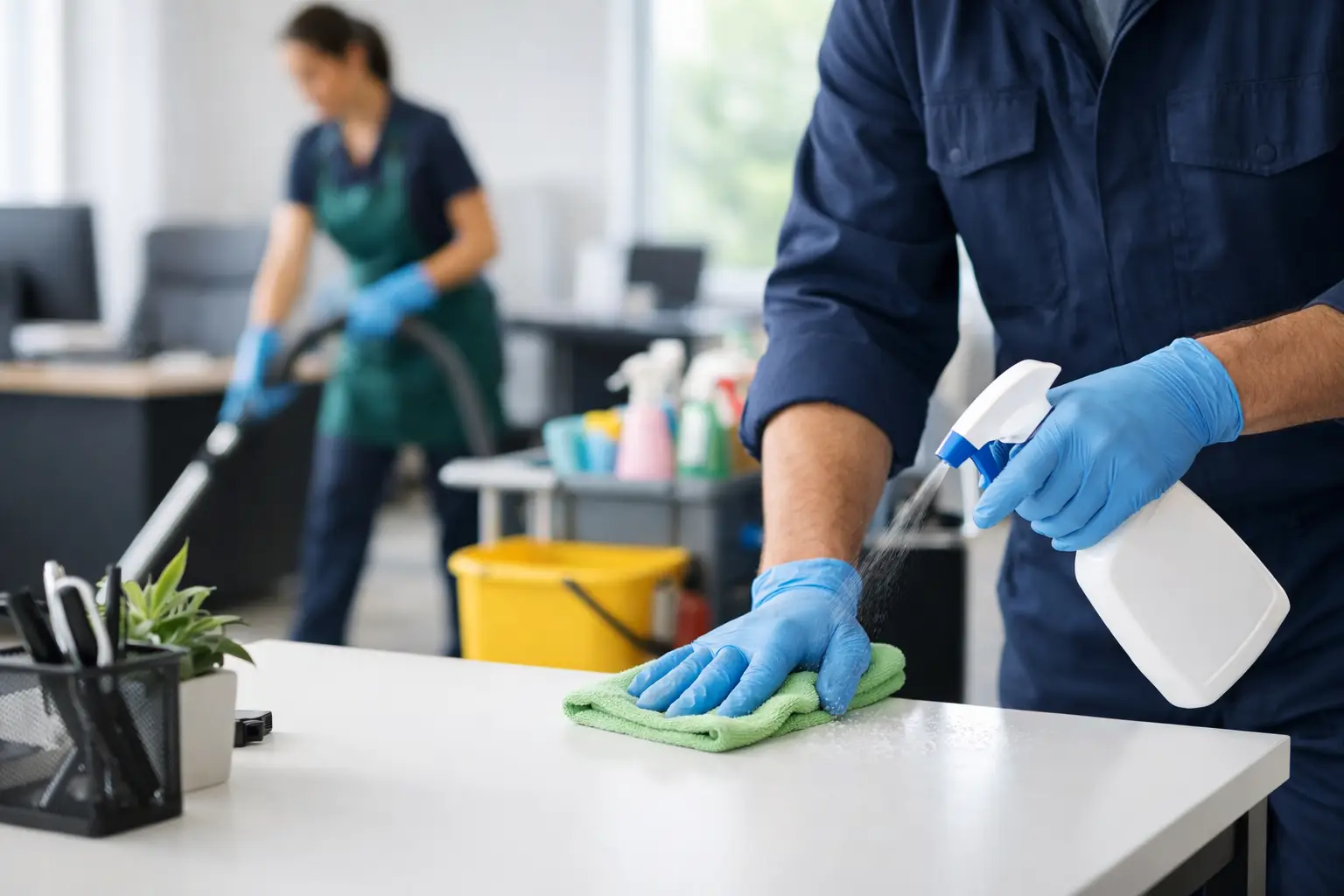
A cleaning crew can arrive every evening and still leave an office manager answering complaints the next morning. A trash can may be emptied while fingerprints remain on the entry glass, restroom supplies run out, or the conference room is not ready for a client meeting. That is why the question, what does office cleaning include, needs more than a generic task list. It needs a documented scope that reflects how your facility operates.
For most commercial facilities, office cleaning covers routine care of shared spaces, work areas, restrooms, breakrooms, floors, and touchpoints. The exact work and frequency should change based on your traffic, business hours, floor plan, visitors, and building requirements. A small administrative office does not need the same plan as a medical practice, multi-tenant property, or busy client-facing headquarters.
What Does Office Cleaning Include in a Typical Scope?
A standard office cleaning scope generally begins with the areas employees, visitors, and clients notice first. Entrances, reception areas, hallways, conference rooms, restrooms, and breakrooms carry a disproportionate amount of the visual and operational burden. When these spaces are missed, the whole facility can feel unmanaged.
Routine service often includes removing trash and replacing liners as needed; vacuuming carpeted areas; sweeping and damp mopping hard floors; dusting accessible horizontal surfaces; and cleaning visible marks from glass, doors, and high-touch surfaces. It also includes straightening common areas where appropriate, such as arranging chairs in a conference room or returning a reception area to a presentable condition.
The phrase “as needed” matters. A scope should define expectations rather than leave them to interpretation. For example, a lobby may need glass spot-cleaned at every visit, while a low-traffic back hallway may only need attention during scheduled detail work. Clear standards prevent both overlooked details and unnecessary effort in areas that do not require daily attention.
Reception, Lobbies, and Common Areas
These areas set the first impression before anyone speaks to a visitor. Cleaning normally includes vacuuming or mopping floors, removing litter, dusting ledges and furniture, wiping entry-door glass, and addressing visible smudges on door handles and push plates. Reception counters may be cleaned around office equipment and personal materials, but the scope should clarify which surfaces are accessible.
In multi-tenant buildings, common-area cleaning may also cover elevator interiors, vestibules, mail areas, shared corridors, and public restrooms. The service schedule should account for peak traffic, especially during rainy or snowy New Jersey weather, when entry floors need more frequent attention to maintain appearance and reduce slip risks.
Offices, Workstations, and Conference Rooms
In individual offices and open work areas, routine cleaning usually focuses on floors, accessible surfaces, trash, and visible dust. Cleaners may vacuum beneath accessible desks, wipe exterior surfaces of cabinets, and remove marks from doors and light switches. However, they should not move confidential paperwork, unplug equipment, or clean personal electronics unless the agreed scope specifically permits it.
Conference rooms deserve special attention because they often shift from employee workspace to client-facing space without warning. A well-managed scope includes emptying wastebaskets, cleaning tables, vacuuming or mopping floors, and resetting chairs when practical. If meetings are scheduled after cleaning hours, the office may need a different schedule or a daytime touch-up plan.
Restroom Cleaning Is More Than a Quick Wipe-Down
Restrooms are one of the clearest indicators of whether a facility is being maintained consistently. A complete restroom routine generally includes cleaning and disinfecting toilets, urinals, sinks, faucets, counters, dispensers, and high-touch points; emptying trash; replenishing paper products and soap when supplies are provided; and mopping floors.
The distinction between cleaning and disinfecting should be understood. Cleaning removes visible soil and residue. Disinfecting is a separate process that follows product directions and required contact time. A commercial cleaning partner should use the appropriate process for the surface and setting, particularly in high-traffic offices and facilities with frequent public use.
Restroom scope also needs a supply plan. If a janitorial team is responsible for restocking, the client should know who purchases soap, tissue, towels, liners, and other consumables, where they are stored, and when low inventory is reported. A clean restroom is not fully functional if supplies are missing.
Breakrooms and Kitchens Need Clear Boundaries
Breakrooms collect spills, food debris, fingerprints, and odors faster than most office spaces. Routine office cleaning commonly includes wiping exterior appliance surfaces, cleaning counters and tables, sanitizing sinks, emptying trash, and sweeping and mopping floors. Cabinet fronts, microwave interiors, refrigerator interiors, and dishwashing are often handled on a separate schedule or excluded unless specifically requested.
Those boundaries are useful, not restrictive. They protect employees’ belongings and prevent confusion about responsibility. If your team expects the refrigerator to be cleaned monthly or the coffee station to receive daily attention, that should be written into the site-specific plan.
Floor Care Depends on the Flooring and Foot Traffic
Floor care is one of the most visible parts of office cleaning, but it is not a single task. Carpeted spaces typically receive routine vacuuming, with periodic spot treatment and deeper carpet cleaning based on traffic, spills, and manufacturer guidance. Hard floors may need sweeping and damp mopping during routine visits, then machine scrubbing, burnishing, or refinishing at planned intervals.
A practical cleaning plan separates daily appearance work from periodic maintenance. Vacuuming a carpet every visit helps keep it presentable, but it does not replace scheduled extraction. Mopping a hard floor removes day-to-day soil, but it may not correct buildup in grout lines or restore a worn finish. Treating these as separate services helps property and facility managers budget accurately and protect flooring over time.
High-Touch Surfaces and Detail Work
High-touch cleaning is often included in recurring office service, especially in shared areas. This may cover door handles, light switches, elevator buttons, faucet handles, shared appliance handles, and railings. The locations and frequency should reflect actual use. An office with controlled access and a small staff has different needs than a public-facing facility with steady visitor traffic.
Detail cleaning handles the work that does not need to happen every night but cannot be ignored indefinitely. It may include dusting vents and blinds, wiping baseboards, cleaning interior glass, vacuuming upholstered seating, removing buildup around doors, and addressing corners or edges behind accessible furniture. The best approach is to schedule this work rather than wait for it to become a complaint.
What May Not Be Included Unless Requested
A thorough scope also explains exclusions and add-on services. This protects both the facility and the cleaning team from assumptions. Common items that may require separate scheduling include interior window cleaning beyond standard glass spot-cleaning, carpet extraction, floor stripping and refinishing, post-construction cleanup, high dusting, exterior pressure washing, and cleaning above a safe reachable height.
Some facilities also need specialized considerations. Medical and dental offices may require room-specific procedures and careful coordination around patient schedules. Daycares, gyms, churches, and auto dealerships each have distinct traffic patterns, surfaces, and presentation priorities. The right plan recognizes those differences instead of applying the same checklist everywhere.
Frequency Should Follow How the Office Is Used
Daily cleaning is often appropriate for busy offices with public restrooms, active breakrooms, frequent meetings, or high visitor volume. Smaller offices may be well served two or three times per week if staff levels and traffic remain moderate. A weekly schedule can work for low-occupancy spaces, but it may leave trash, restrooms, and entry areas unattended too long in a busier environment.
Frequency can also vary by area. Restrooms and breakrooms may need attention at every visit, while private offices, low-traffic storage areas, and certain detail tasks can follow a different rotation. This is one reason a walkthrough matters: it reveals what the facility actually needs instead of forcing every room into the same schedule.
The Difference Is Documentation and Follow-Through
A cleaning scope is only useful when the crew, supervisor, and client share the same expectations. It should identify the areas to be serviced, the tasks required, the visit frequency, supply responsibilities, access procedures, and how issues are reported. Periodic inspections help confirm that the scope is being followed and identify adjustments before small misses become recurring problems.
CEECEE Commercial Cleaning builds site-specific plans around this kind of clarity, with documented scopes, communication, accountability, and quality inspections guided by The CEECEE Standard. For offices and commercial facilities in northern New Jersey, a walkthrough can turn broad expectations into a workable plan for the actual space.
If you are reviewing a cleaning scope, ask whether it would still make sense to a new supervisor six months from now. If the answer is no, it is probably not specific enough. A clear plan gives your team fewer details to chase and gives your facility a better chance of looking ready every day.
Call (917) 837-6499 or email info@ceeceecleaning.com